4.2
Plaza Rive Sud
Wedding Venues
La Prairie, QC4.3
Doubletree par Hilton Québec Resort
Wedding Venues
QC, QC4.3
Plaza du Boisé
Wedding Venues
Mercier, QC, Canada, QC4.5
Plaza Universel
Wedding Venues
Montréal, QC, Canada, QC4.4
Plaza Rive Nord
Wedding Venues
Saint-Joseph-du-Lac, QC4.8
Westbury Ballroom
Wedding Venues
Montréal, QC, Canada, QC4.4
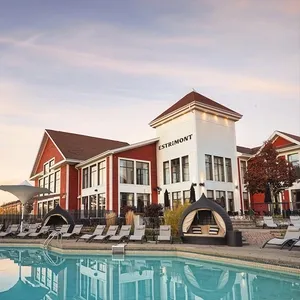
Estrimont
Wedding Venues
Orford, QC4.3
Plaza Du Parc
Wedding Venues
Longueuil, QC5
Corner Collection
Wedding Venues
Montreal, QC4.4
Le Salon Richmond
Wedding Venues
Montreal, QC4.6
Golf Saint-Raphaël
Wedding Venues
L'Île-Bizard, QC4.2
Plaza Centre Ville
Wedding Venues
Montreal, QC4.4
Embassy Plaza
Wedding Venues
Laval, QC4.3
La Bullerie
Wedding Venues
Saint-Joseph-du-Lac, QC4.5
Maison Principale
Wedding Venues
Montreal, QC4.4
Fairmont The Queen Elizabeth
Wedding Venues
Montreal, QC4.5
Le Windsor Ballrooms
Wedding Venues
Montreal, QC4.5
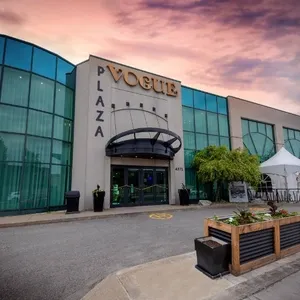
Plaza Vogue
Wedding Venues
Saint-Léonard, QC4.5
Manoir Grant
Wedding Venues
Salaberry-de-Valleyfield, QC4.7
The Alto & Soprano
Wedding Venues
Joliette , QC4.3
Renaissance Centre
Wedding Venues
Montreal, QC4.5
Plaza Volare
Wedding Venues
Saint-Laurent, q3.9
L’Érablière D’autrefois Hall
Wedding Venues
L'Assomption , QC4.3
Plaza Antique
Wedding Venues
Montreal, QC4.7
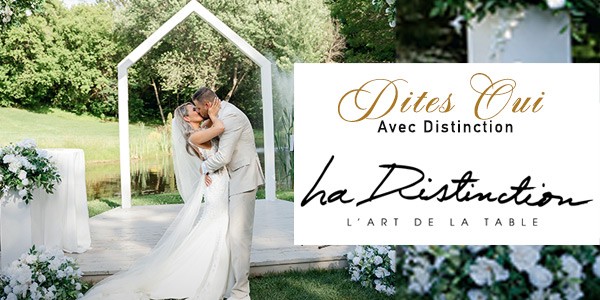
La Distinction
Wedding Venues
Joliette , QC4.3
Roma Receptions
Wedding Venues
Saint-Léonard, QC4.4
Plaza Le Rizz
Wedding Venues
St-Léonard, QC4.2
La Montagne Coupee
Wedding Venues
Saint-Jean-de-Matha, QC4.5
Le Châteaubriand
Wedding Venues
Montreal, QC4.4
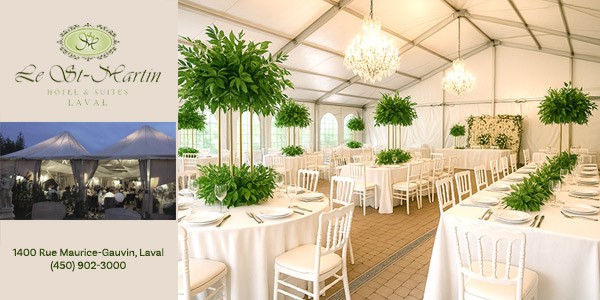
Le St-Martin Hotel & Suites
Wedding Venues
Laval, QC4.4
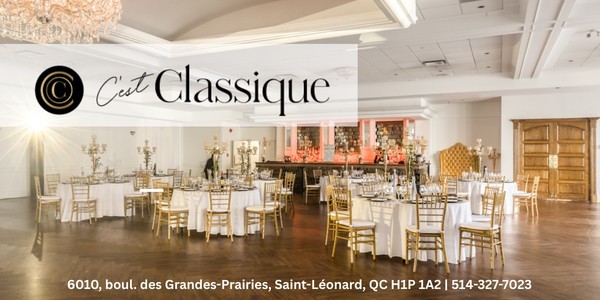
C’est Classique
Wedding Venues
Saint-Léonard, QC4.1
The PMG Group
Wedding Venues
Montreal, ON4.3
L'Ambroisie et L'Espace Canal
Wedding Venues
Montreal, QC4.6
Le Crystal
Wedding Venues
Saint-Laurent, QC4.3
Le Challenger
Wedding Venues
Saint-Laurent, QC4.6
Auberge Godefroy
Wedding Venues
Bécancour, QC4.2
Hôtel Château Joliette
Wedding Venues
Joliette, QC4.4
Auberge des Gallant
Wedding Venues
Sainte-Marthe, QC4.3
Palace Centre de Congrès
Wedding Venues
Laval, QC4.6
Le Mount Stephen
Wedding Venues
Montreal, QC4.6
Plaza Marina
Wedding Venues
Montréal, QCThe Auberge Val Saint-Côme
Wedding Venues
Saint-Come, QC
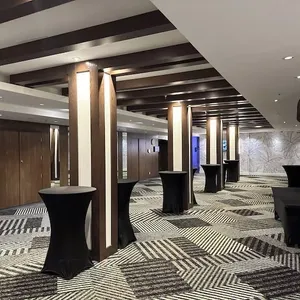
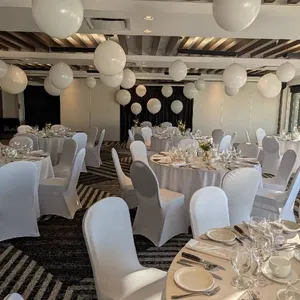

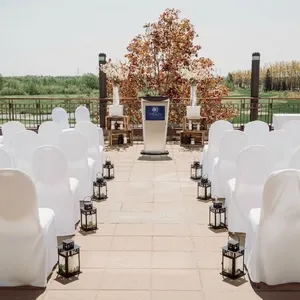
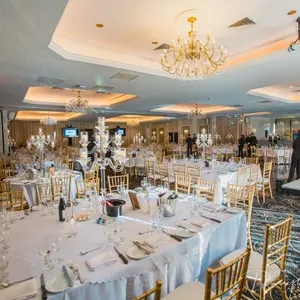
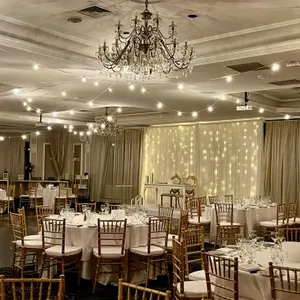
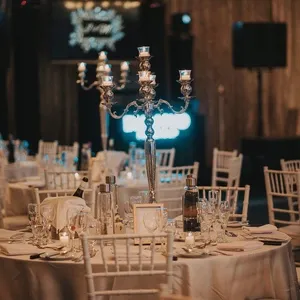
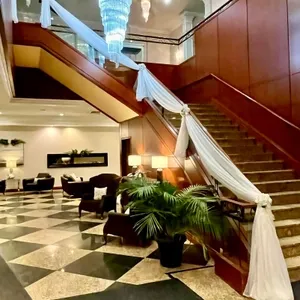





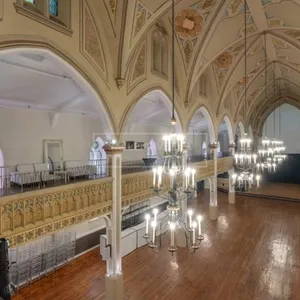
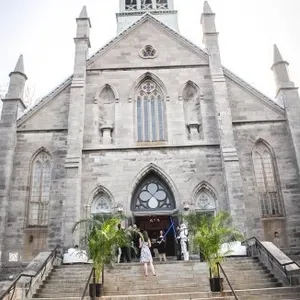
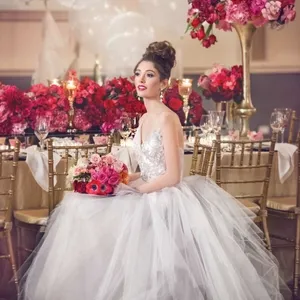
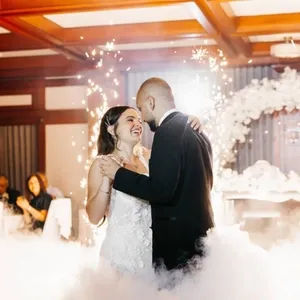
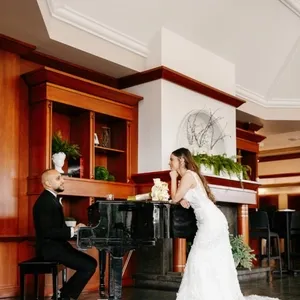
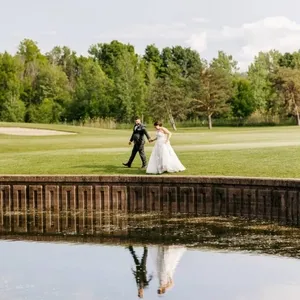
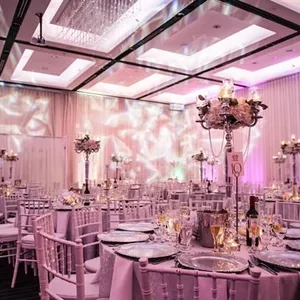

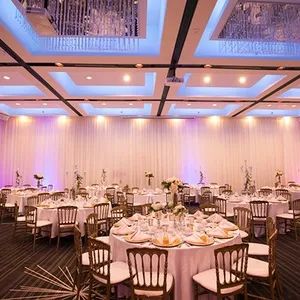
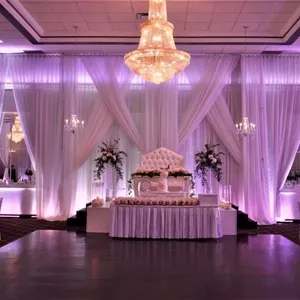
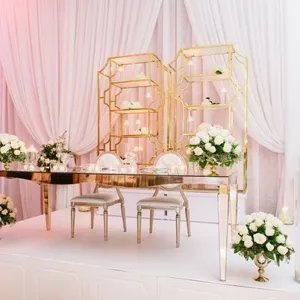
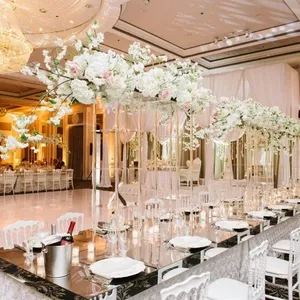
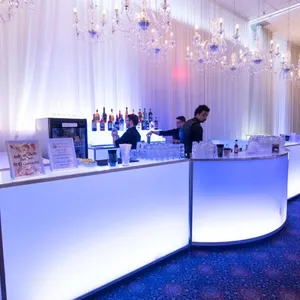
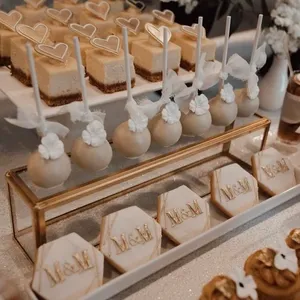

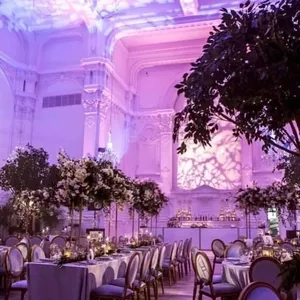
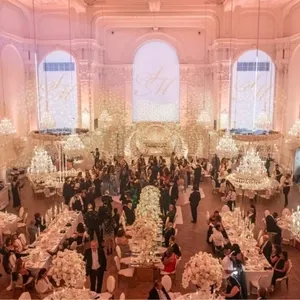
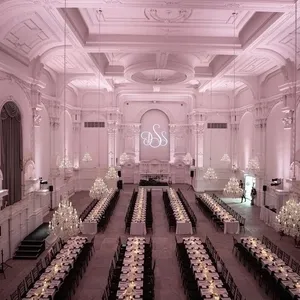
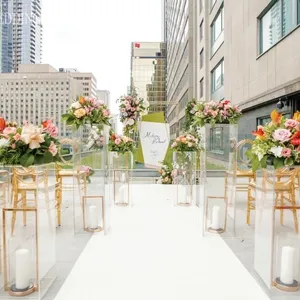
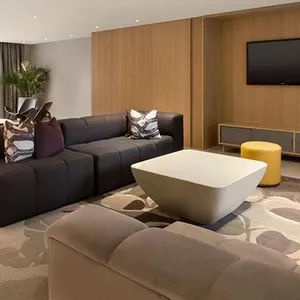
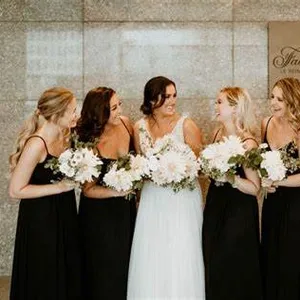
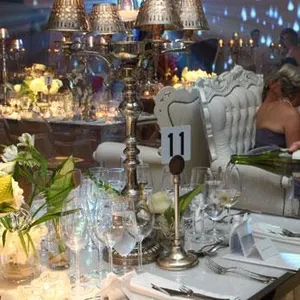
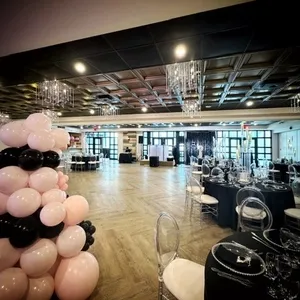
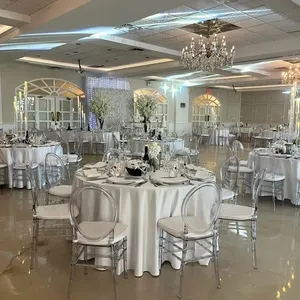
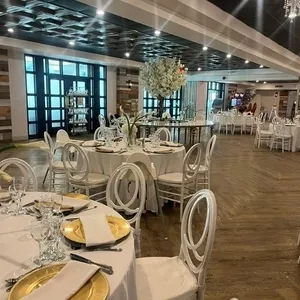
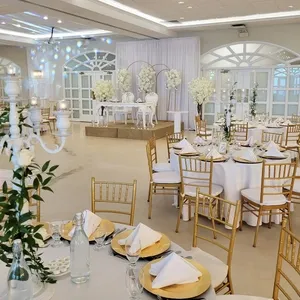

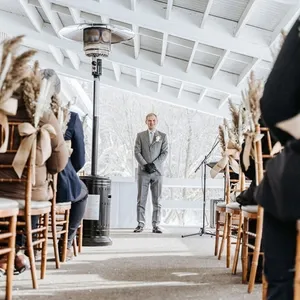
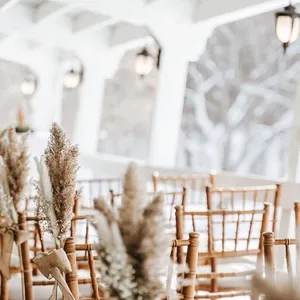
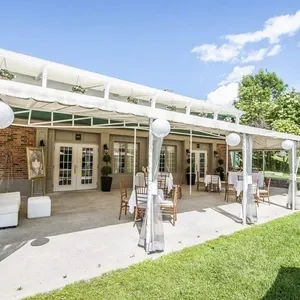
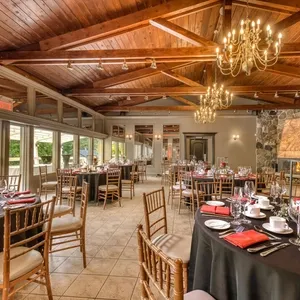


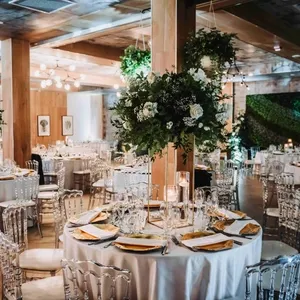
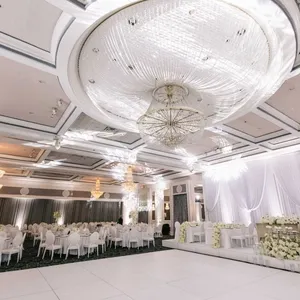
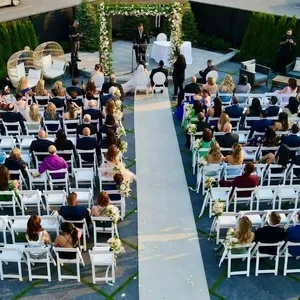
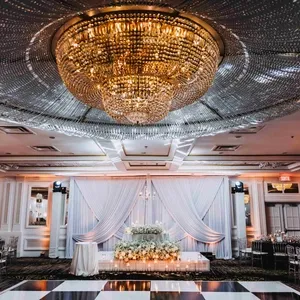
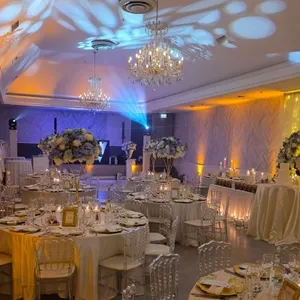
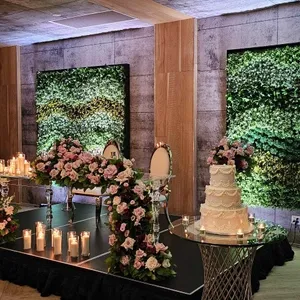
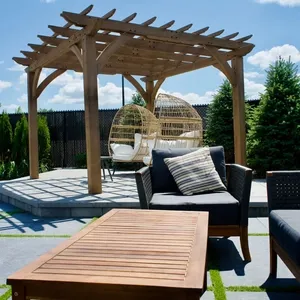
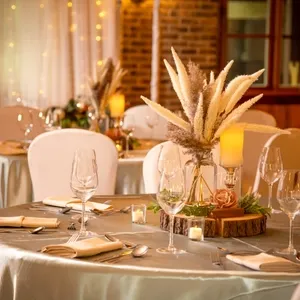
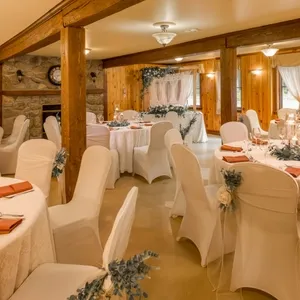
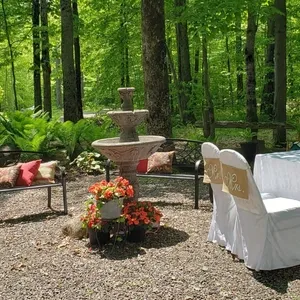
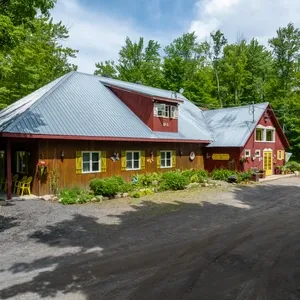
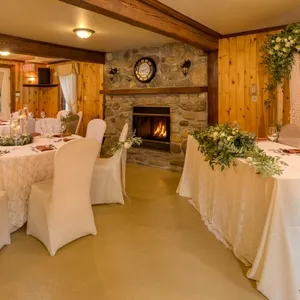








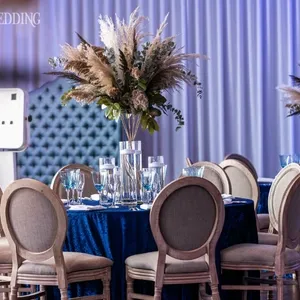
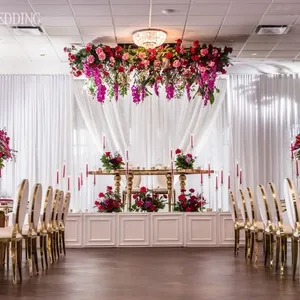
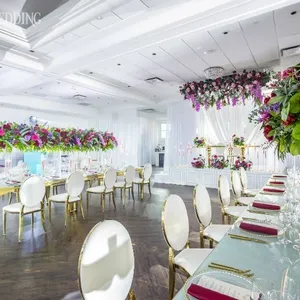


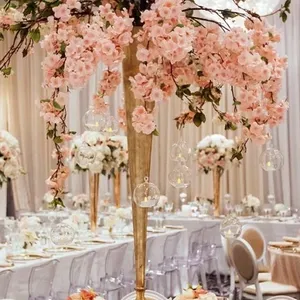
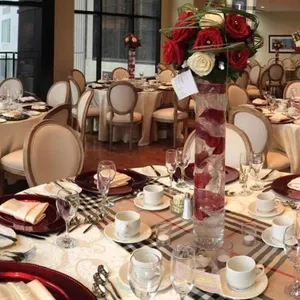
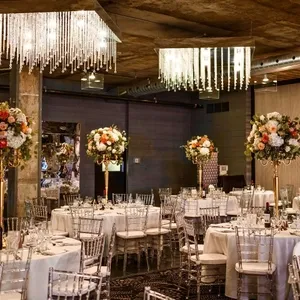
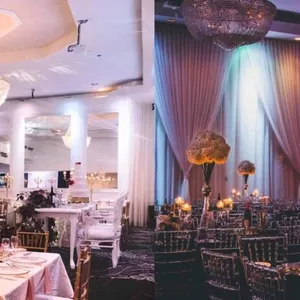






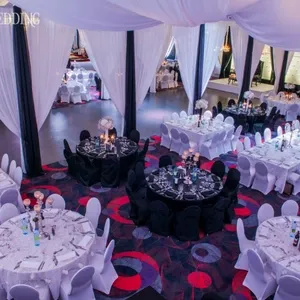
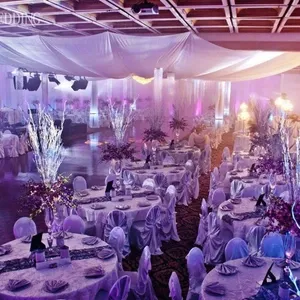
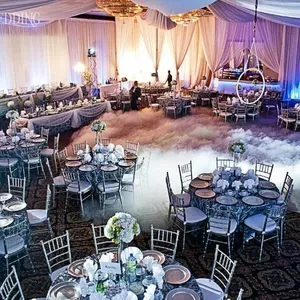
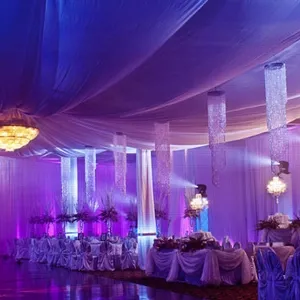
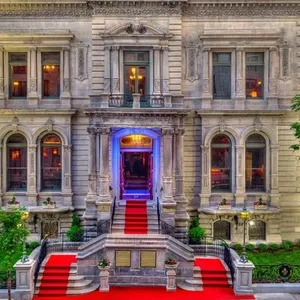
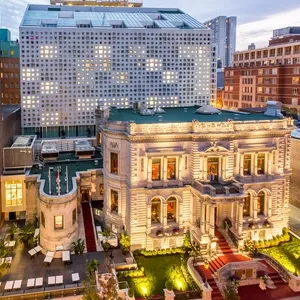
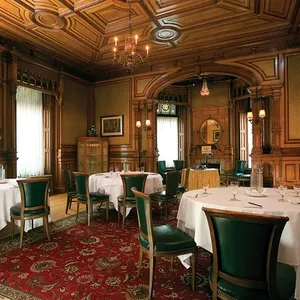
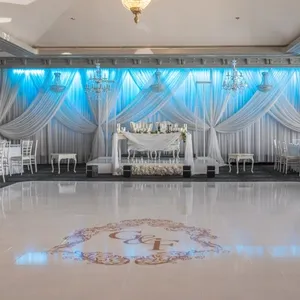
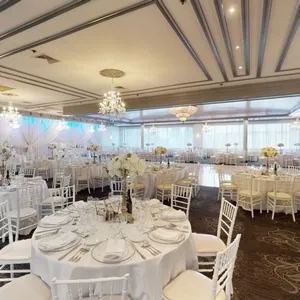
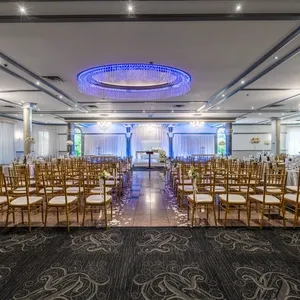
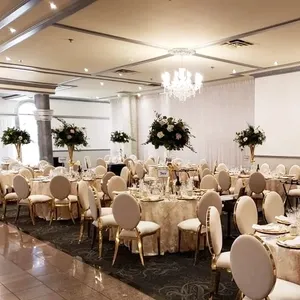
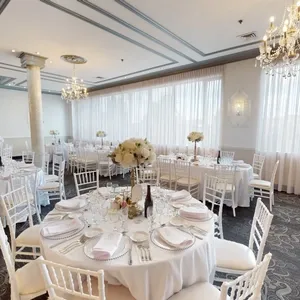
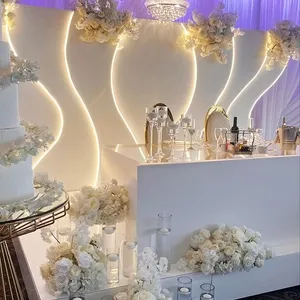
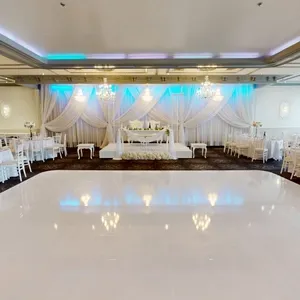
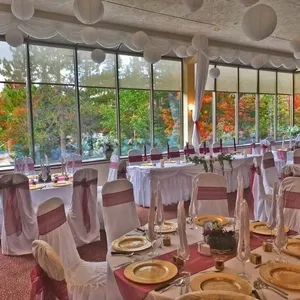
Filters
Base Price
Services










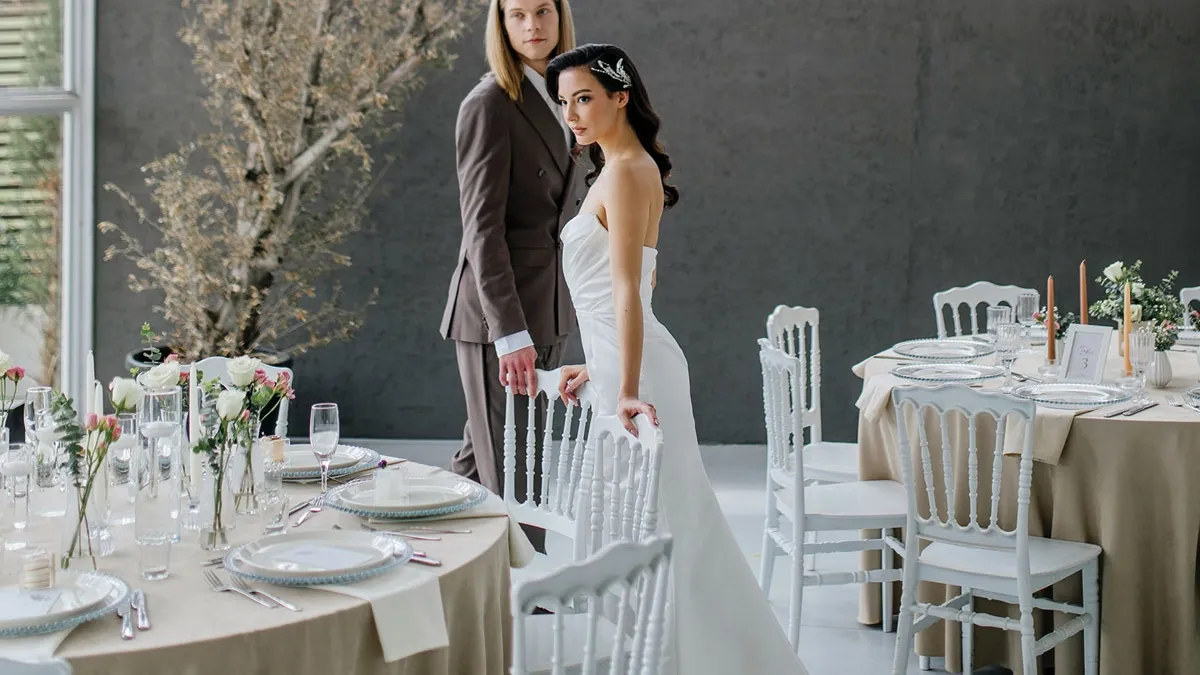
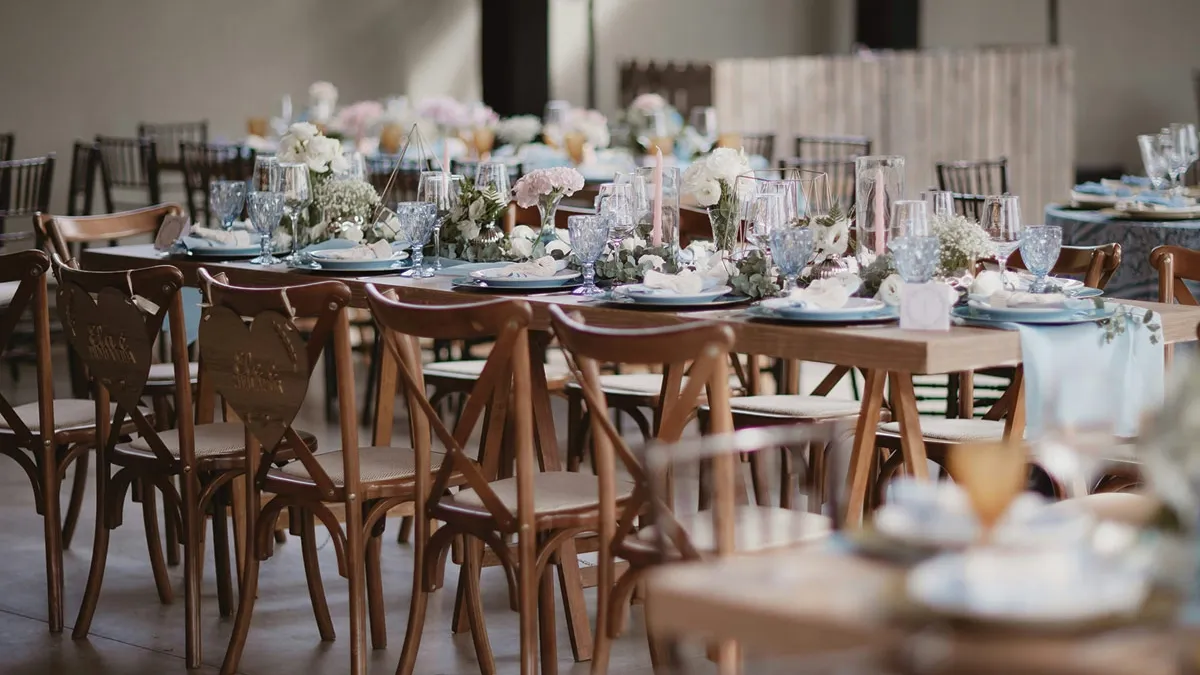
A wedding venue is more than a backdrop for the first photo. It decides how far guests walk, where a ceremony can move if the weather turns, whether cocktail hour has room to breathe, and how the reception feels after dinner. A ballroom, restaurant, estate, loft, hotel, vineyard, or countryside property can all be beautiful. The useful choice is the one that supports the actual shape of your celebration.
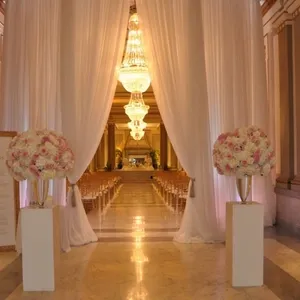
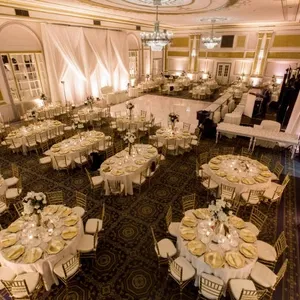
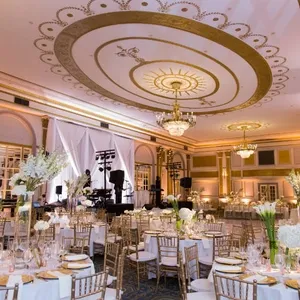
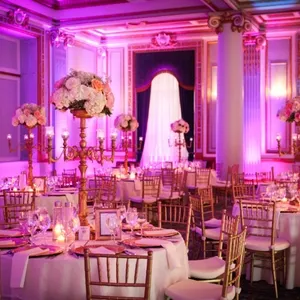
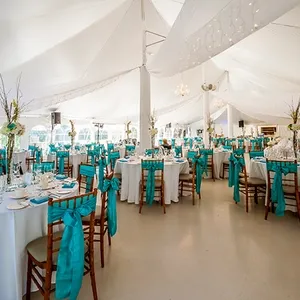
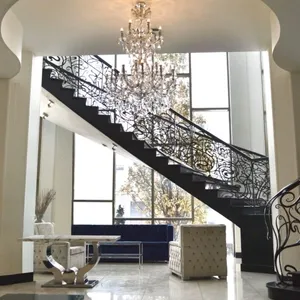
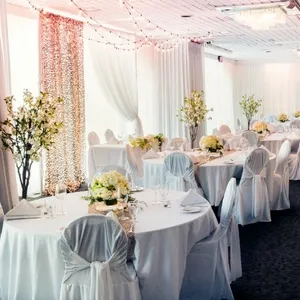
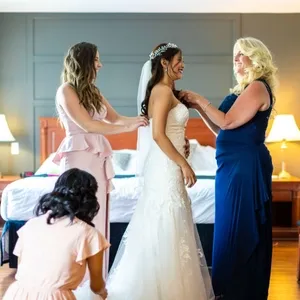
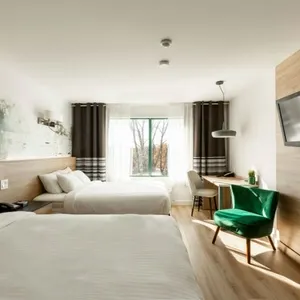
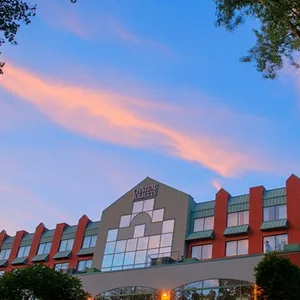
Use the venue profiles above to compare service area, atmosphere, and the practical details behind the photographs: guest flow, timing, included services, access, and the plan for a change of weather.

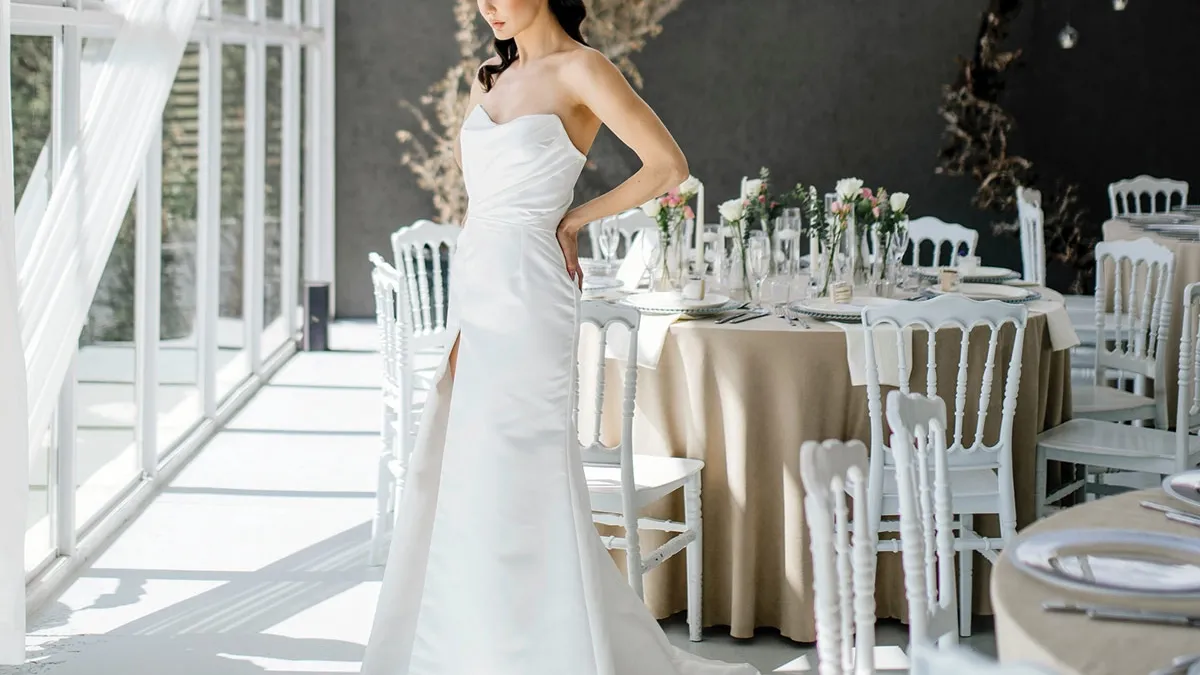
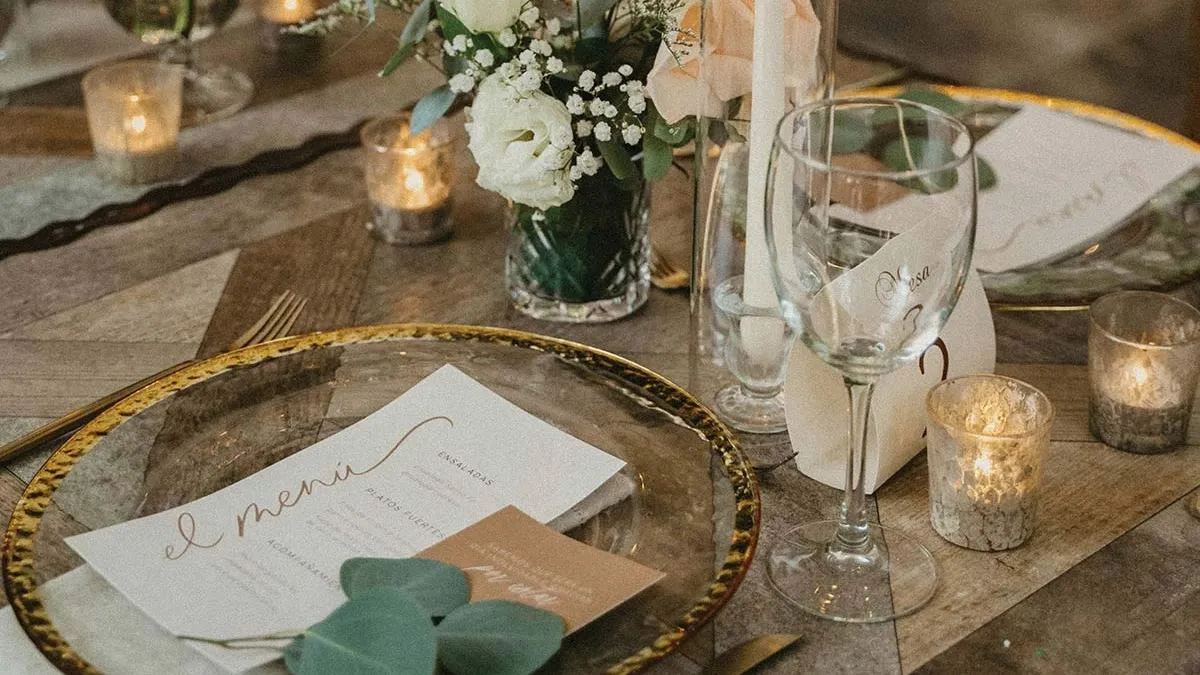

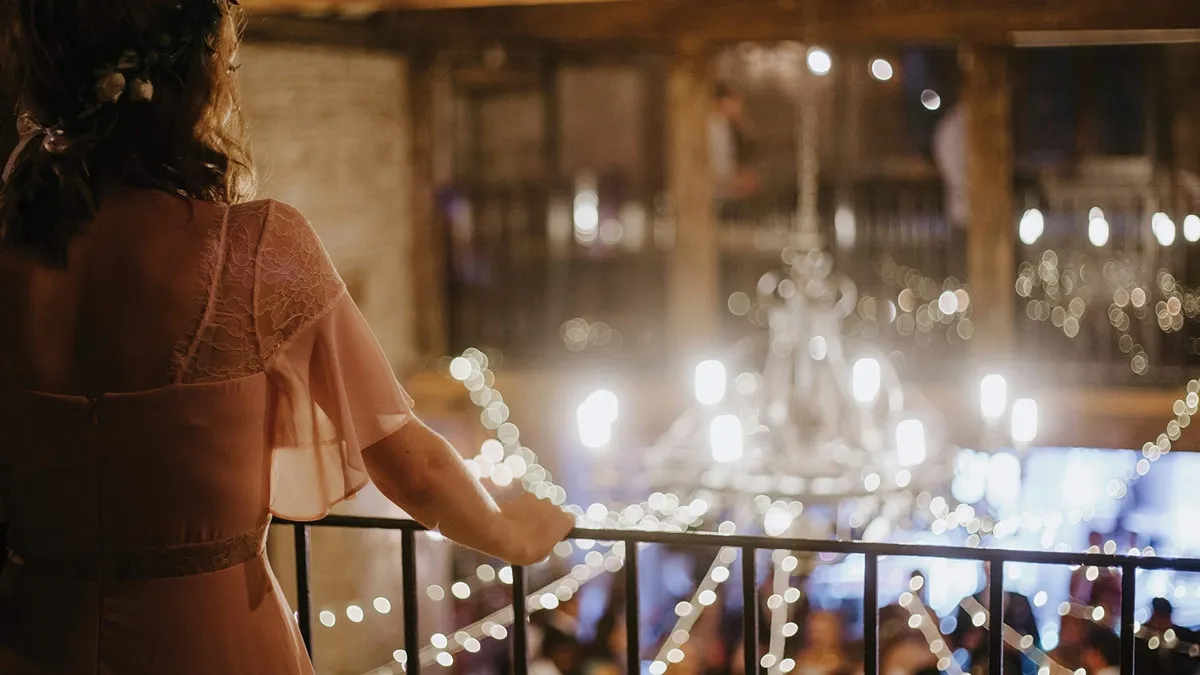
Decide the day before you decide the room
Many people have been dreaming of their perfect wedding before they even started the planning process. Start with a working version of your wedding, not a mood board. Estimate the number of guests you expect rather than the number you hope will attend. Decide whether you need a ceremony, cocktail hour, dinner, dancing, preparation space, overnight rooms, or a late-night gathering at the same address. If you are planning a multi-part celebration, write down which events truly need to happen on-site and which could happen elsewhere.
Then imagine the transitions. Where will guests go immediately after the ceremony? Will a long room still feel lively for your guest count? Can older relatives, children, and anyone using mobility aids reach the key spaces without a difficult route? Is there somewhere warm, dry, or shaded to wait when the weather is uncomfortable? These questions are not less romantic than choosing a view. They are how a venue becomes welcoming once everyone is dressed up and trying to find their seat.
For a civil marriage in Quebec, the celebration location must meet provincial requirements, including a setting that respects the solemn nature of the ceremony. Confirm the exact ceremony arrangement with your officiant and venue rather than assuming a picturesque outdoor spot automatically works. The provincial government’s marriage-location guidance is a sensible reference point during planning.
Tour with a floor plan in mind
Do not tour a venue as though you were only attending an open house. Bring your estimated guest count and ask to see the rooms that would be used at the same time: ceremony area, cocktail space, dining room, washrooms, accessible entrance, getting-ready area if available, and the route vendors will use for delivery and setup. Most venues have event coordinators who are familiar with wedding planning, and they will be ready to guide you as you walk through the space. They will be ready to address any questions. They will even address questions, regarding if the room is too big for your number of guests, they may also have recommendations, whether they can partition the room, or suggest another room to accommodate your headcount.
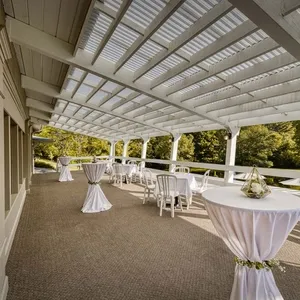
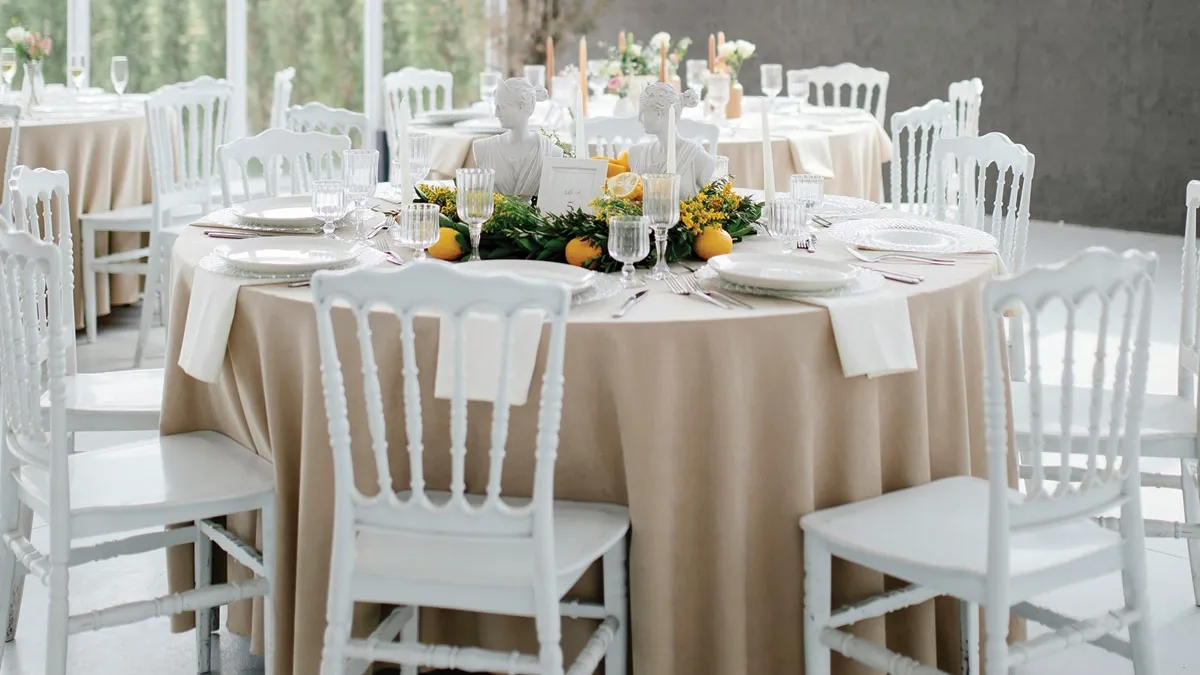
Ask for a sample floor plan at a guest count close to yours. A listed capacity tells you how many people may fit; it does not tell you whether there will be space for dinner service, speeches, a dance floor, a band or DJ, a photo booth, or tables that do not trap guests in a corner. Notice pillars, stairs, narrow doors, ceiling height, natural light, noise from adjacent rooms, and where coats or bags will go. If you are considering a tent, terrace, or lawn, ask what electrical access, washrooms, surface conditions, and weather alternatives are actually included.
The venue’s best room may not be the room your booking uses. Ask to see the exact spaces assigned to your date and what else is scheduled on the property. A thoughtful tour makes those details visible before a contract makes them fixed.
Compare the venue as a package of decisions
Two venues can appear similarly priced while requiring very different planning. Instead of asking only for a total, request a written outline of what the venue supplies and what you must source separately. The answer may include tables, chairs, linens, glassware, staff, coordination, food and beverage, parking, coat check, cleaning, security, lighting, furniture, service charges, setup windows, or a preferred-vendor policy. Do not assume that a familiar item is included because it was included elsewhere. Be careful, as some venues will provide you with tables and chairs, but no linen. These are additional costs, and must be considered in your wedding planning budget.
Create a comparison sheet for your finalists. Use the same headings for each one: room rental or minimum, meal and beverage commitments where applicable, taxes and charges, ceremony fee, equipment, timing, vendor restrictions, parking or transportation, changeover plan, and cancellation or postponement terms. Use the sheet to see where each space requires extra arrangements—and decide whether those trade-offs suit the experience you want.
If you are drawn to a venue with an in-house coordinator, ask what that person’s role covers. Venue coordination can be extremely helpful, but it is not always the same as planning the entire wedding. Clarify who is responsible for the schedule, vendor arrival, décor placement, family questions, and final room turnover. Usually, this is the person who will be responsible for questions and will oversee the production of your wedding day regarding the venue only, and what is included in the venue contract.
Let the Quebec season shape the question list
Quebec gives couples very different conditions across the year. An outdoor ceremony in summer, an autumn cocktail hour, a winter reception, or a spring celebration can each be wonderful; each needs an alternative that feels deliberate. A rain plan should answer more than “we will go inside.” Find out where people will go, how the room will be reset, whether the indoor option can accommodate the ceremony layout, and when the decision must be made.
Travel also matters. A venue outside the city may offer the landscape or privacy you want, but guests may need clearer directions, accommodations, a shuttle, or more time between events. In Montréal, a central address may simplify transit and hotels while bringing its own questions about loading, parking, noise, and access. Neither is universally better. Judge the location against your guests’ needs and your willingness to coordinate the day.
Choose character without creating unnecessary work
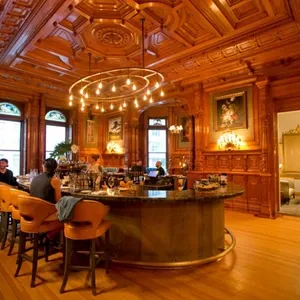
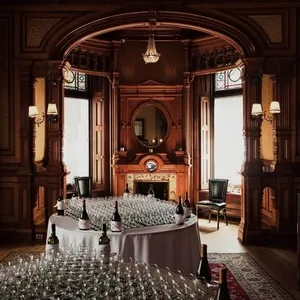
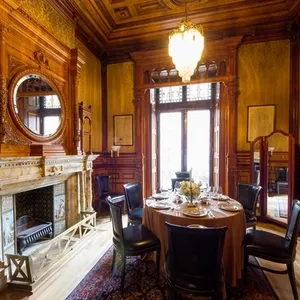
Venue style changes the amount of décor, furniture, lighting, and logistical support a wedding may need. A historic room can carry visual character without much added decoration, while a blank space may offer more freedom but require you to plan the elements that create warmth and function. A restaurant can make food service straightforward; a private property can offer flexibility while placing more responsibility on the couple or their team. The right question is not whether one format is “better.” It is whether its strengths match the parts of planning you want to manage.
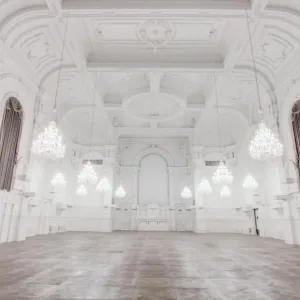
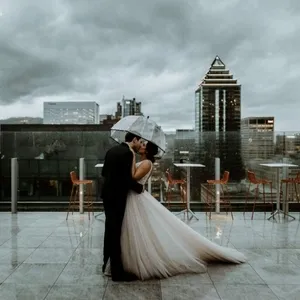
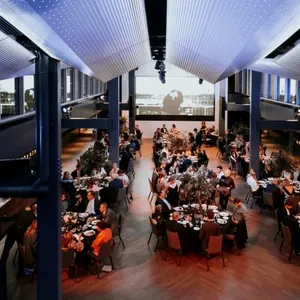
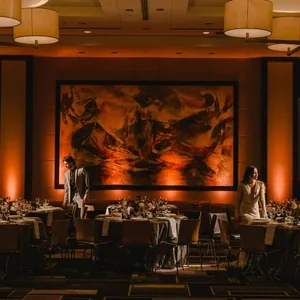
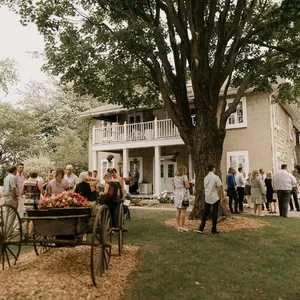
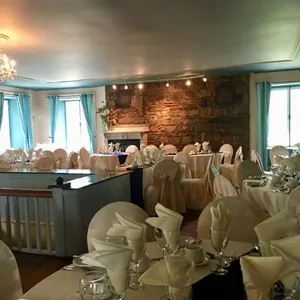
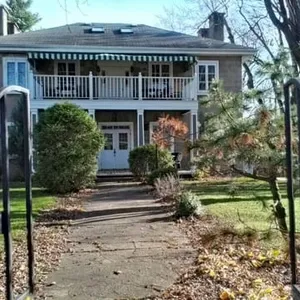
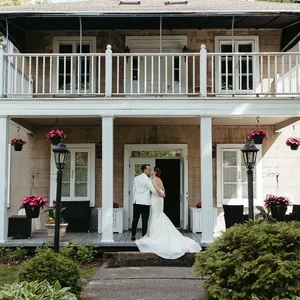
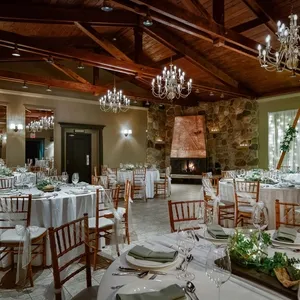
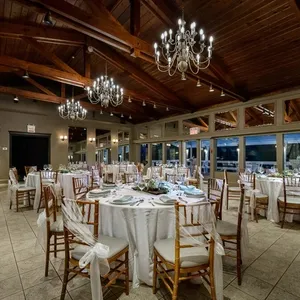
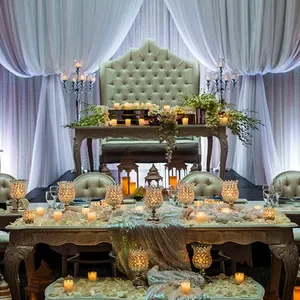
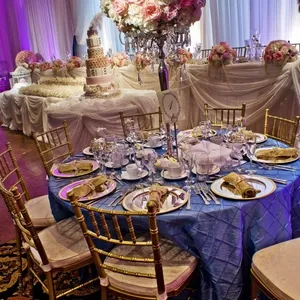
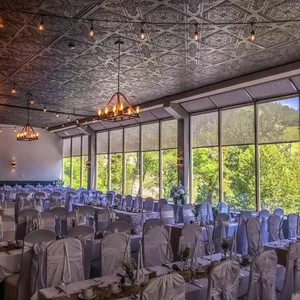
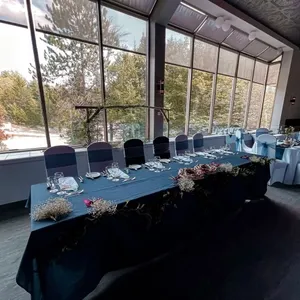
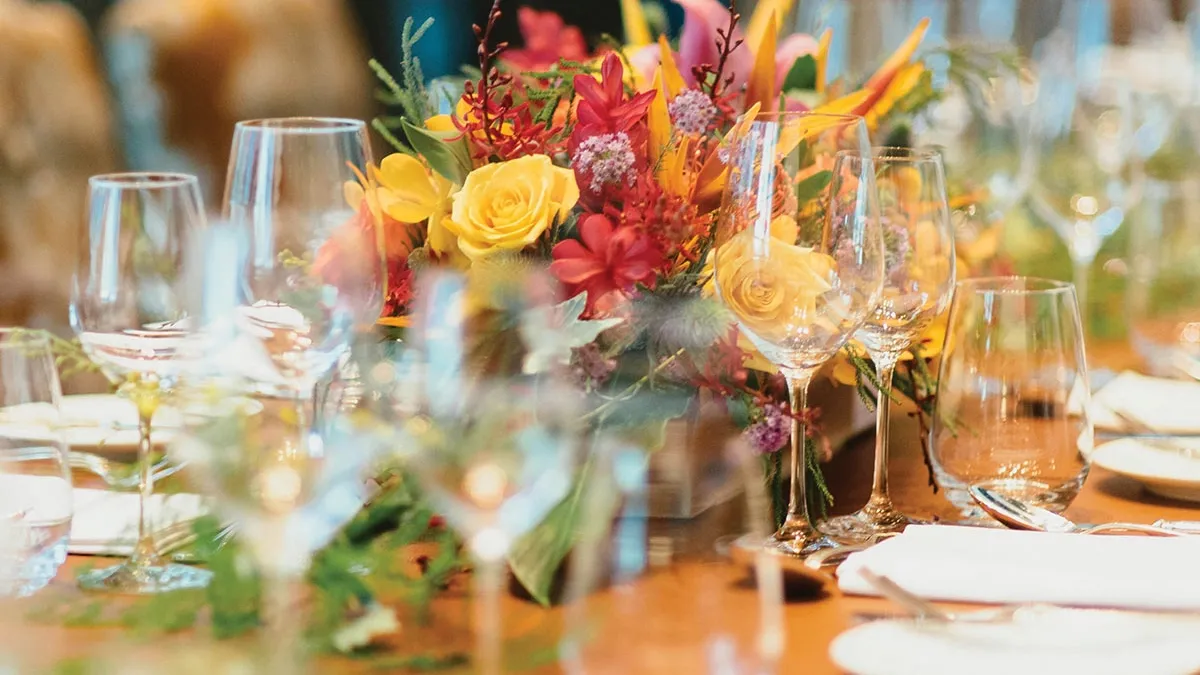
When you look at images, identify the element that appeals to you. Is it the architecture, trees, water, a warm dining room, skyline views, or the scale of a dance floor? Then ask whether that element belongs to the package, is seasonal, or was created by rented décor in the photograph. This protects you from booking a concept that depends on details you have not budgeted or confirmed.
Before you sign, make the important details visible
Ask the venue for the agreement and read it when you have time to ask questions. Confirm the date, rooms, access times, capacities, deposit schedule, food and beverage obligations, service expectations, supplier restrictions, insurance requirements if any, noise or curfew rules, and the conditions for cancellation, postponement, or a weather change. Confirm verbal promises in writing.
Use the profiles above to narrow the search, but let a visit and a clear proposal decide the next step. A venue that feels good on a quiet weekday tour should also make sense when your guests arrive, dinner begins, and the whole evening needs to move without friction. You can also ask to visit the venue to visualize the space when they are hosting a wedding. Some in-house coordinators may be able to share pictures with you or allow you to see the space fully decorated. You will have to pass by while they are still setting up, but it allows you to view it in real time.