No vendors found.
Filters
Base Price
Services









Wedding favours can be charming, useful, delicious, funny, or meaningful. They can also become a last-minute addition because tradition says every guest should leave with something. Let go of that assumption. A favour is worthwhile when it adds to your welcome. If it does not fit the gathering, a thank-you during the celebration may be the more honest choice.
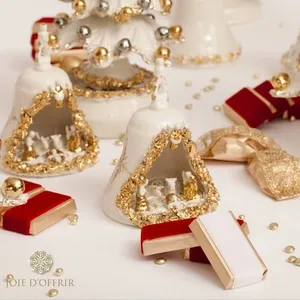
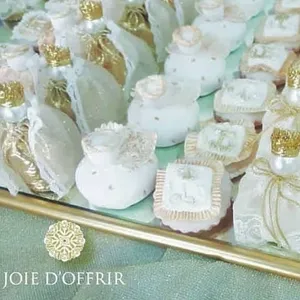
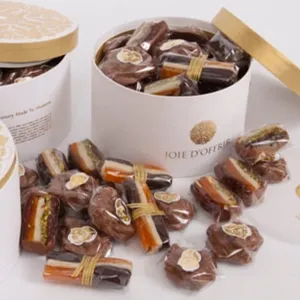
If you do want favours, treat them as a guest-experience decision. Who will receive them? When will people notice them? Will they be consumed, used, kept, or shared? How will the gift travel home after a long reception? Those questions lead to better choices than searching for a “unique wedding favour.” The Quebec makers and suppliers in this directory can help once you know the role the gift will play.

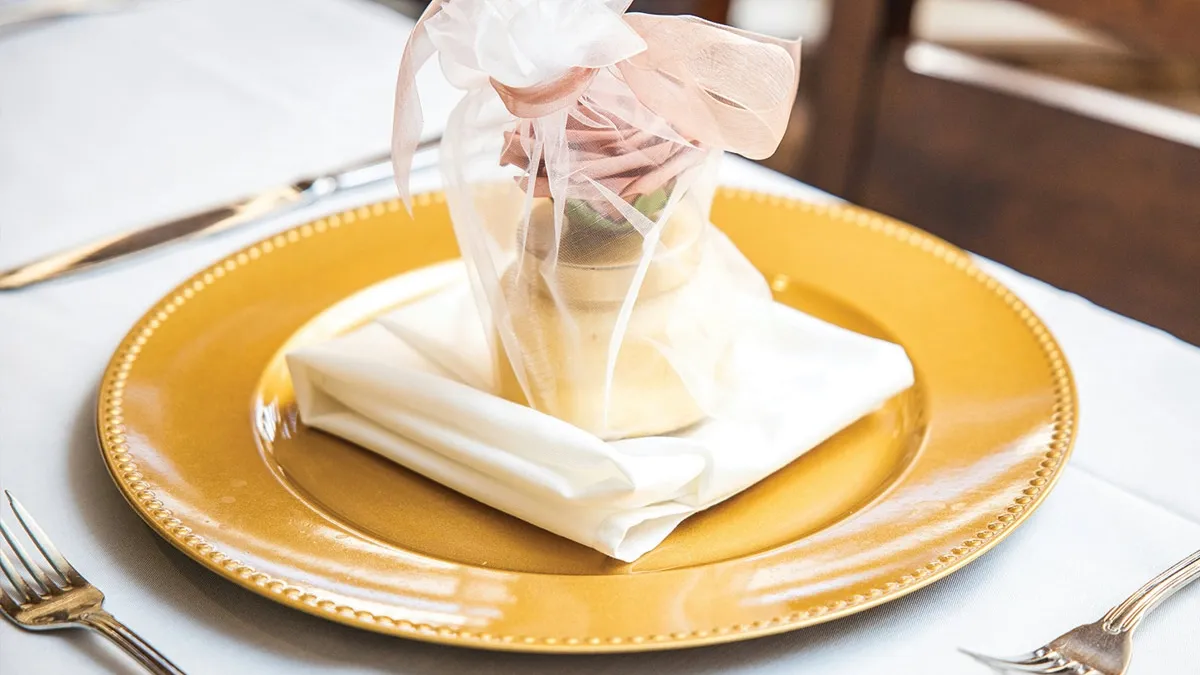

Decide what the favour is meant to do
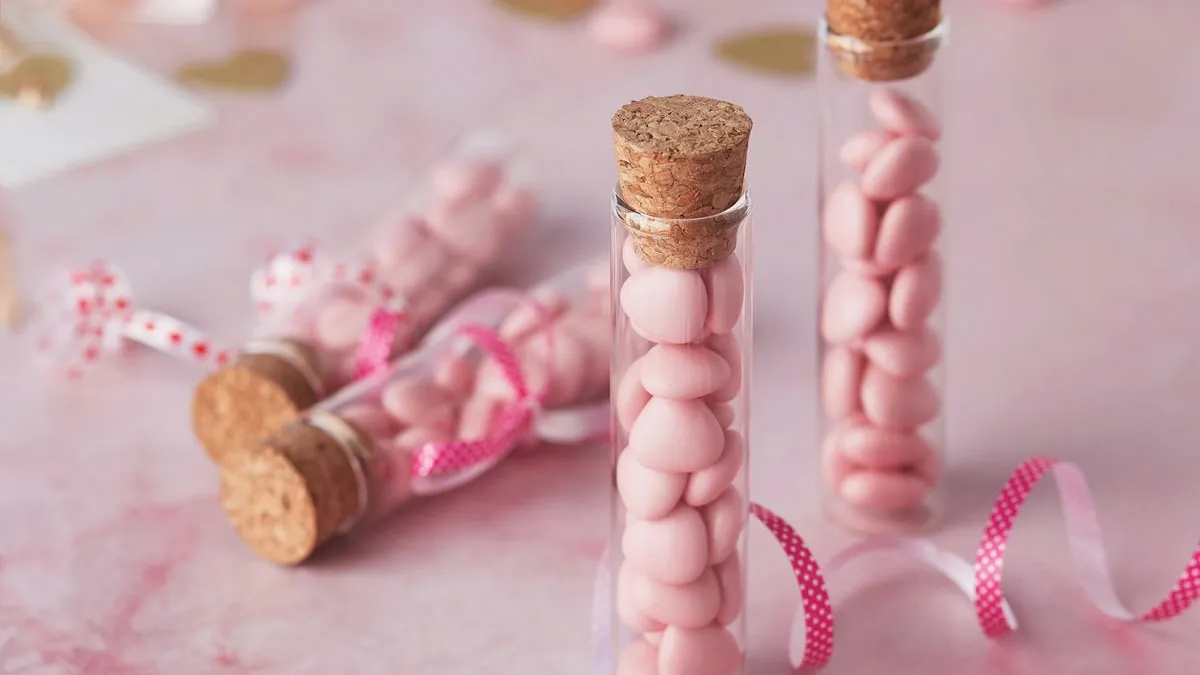
Choose one clear purpose. A favour may be a small edible thank-you, a practical item guests can use after the wedding, a keepsake linked to your story, or a piece of the table setting that guests take home. When a gift tries to be all of those things at once, it can become expensive, awkward to carry, or disconnected from the celebration. Think back to the wedding favours you’ve received over the years. Which ones were your favourites? Which ones did you actually keep? Did you prefer edible treats or something you could use as a keepsake? These are great questions to ask yourself when choosing favours your guests will truly appreciate. Also, think about your guests before choosing the object. A late-night reception with guests travelling back to hotels calls for a different favour than a daytime garden lunch. Families with children, older relatives, colleagues, and out-of-town guests may respond differently to a fragile item, a perishable treat, a plant, or a large personalized object. A small, well-presented item that fits the day is usually more memorable than a gift that asks people to make room for it in a suitcase or on a crowded table.
You may also decide that a shared experience is the better gesture. A dessert station, a late-night snack, a handwritten place note, or an item that is part of the table can create the feeling of generosity without producing a separate take-home object. The right answer is the one that feels natural for your wedding, not the one that checks a tradition off a list.
Choose a format that survives the real day
Some people like to incorporate the favour with the theme. Before falling in love with a favour, test its practical life. Where will it sit during dinner? Does it need to be protected from heat, cold, moisture, or direct sun? Does it require special handling? Will guests pick it up at their table, at an exit display, or from a station near the bar? Is there a plan for extras at the end of the night? Be sure to order a few extra favours. Some guests may take more than one as they leave, and you may have family members who will be disappointed if they don’t receive one. Ordering additional favours after the wedding is often more expensive than including a few extras in your initial order, so it’s always better to plan ahead.
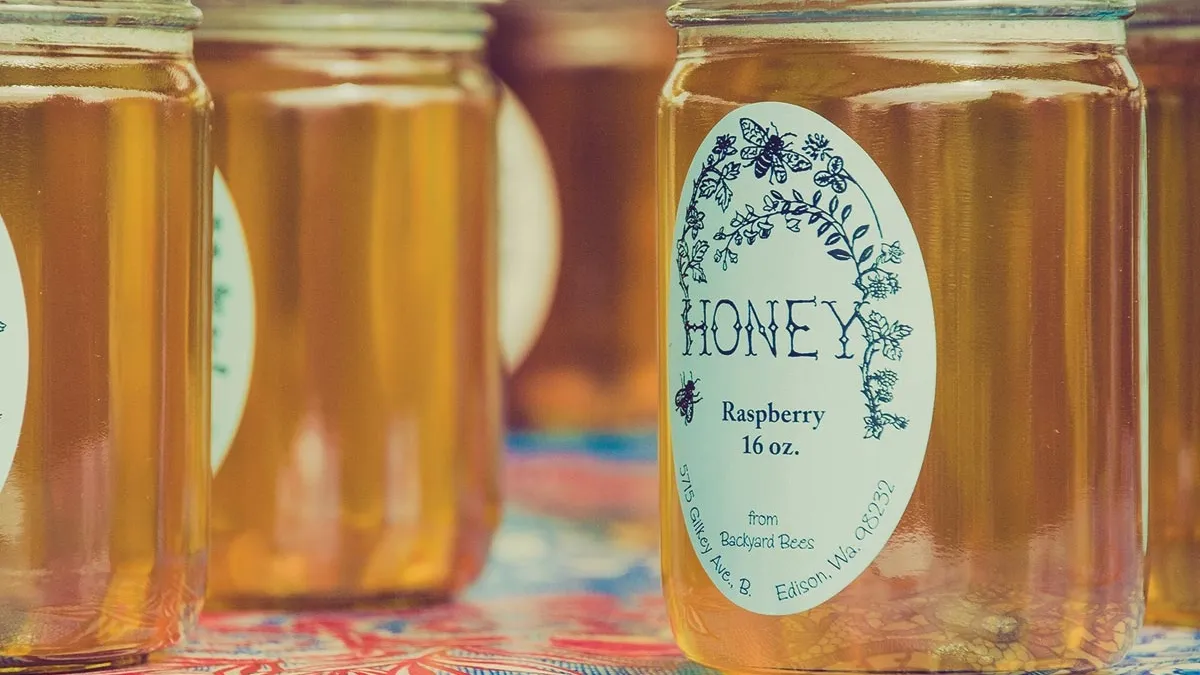
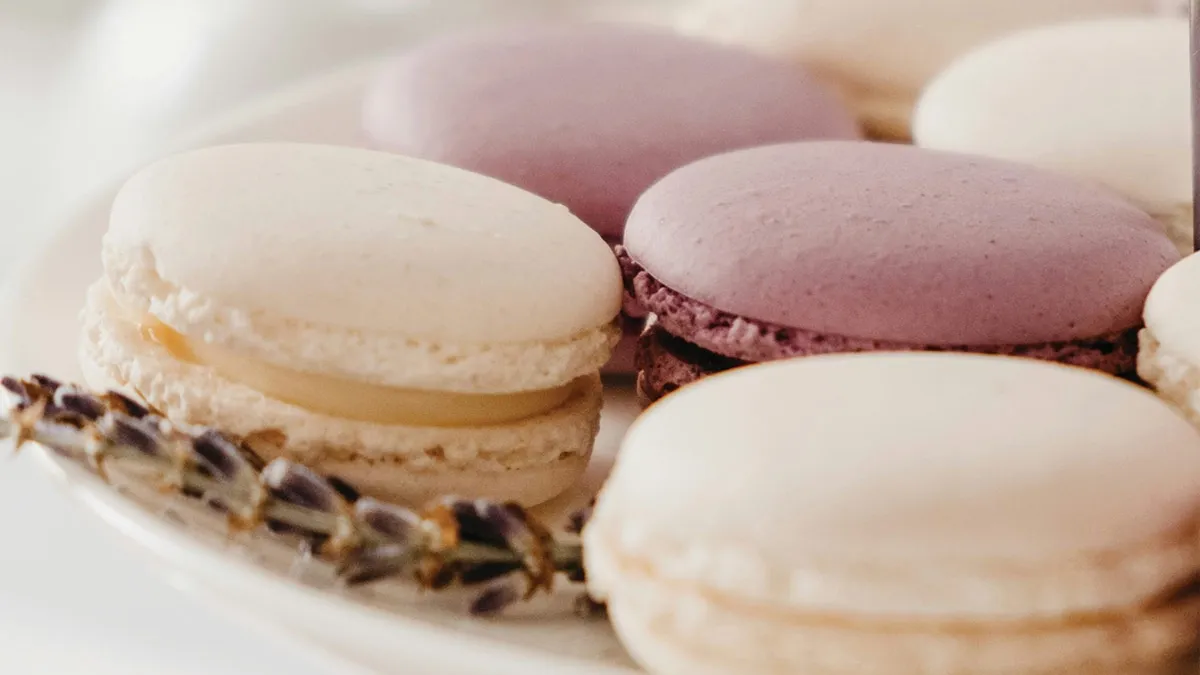
Edible gifts deserve especially careful questions. Ask the maker what information guests should receive about ingredients or allergens, how the product should be stored before the event, and whether the timing of delivery suits your plan. If you are assembling items yourselves, ask about the steps that will keep packaging tidy and readable. Do not assume that a beautifully labelled treat will be easy to manage in a warm room or after a long service period.
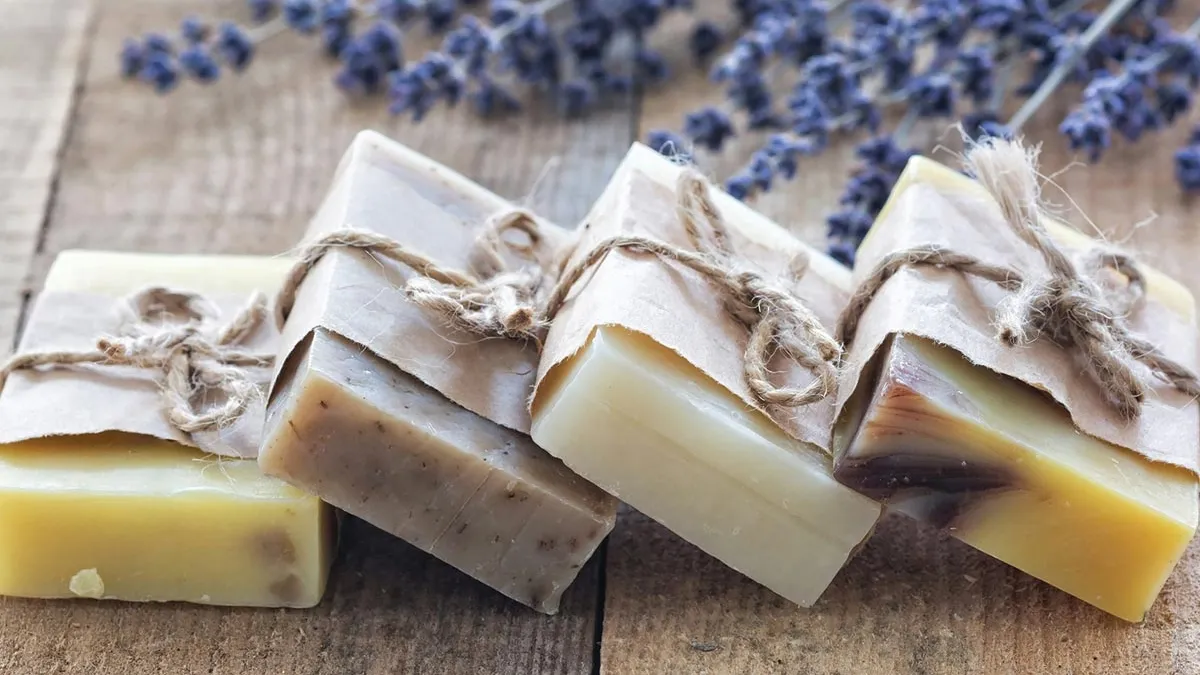
For candles, glass, plants, or breakable items, consider transport and cleanup. For a personalized item, ask whether names or dates are being applied in a way that remains legible. Choose a delicate item only if its packaging, storage, transport, and display plan will keep it presentable for guests.
Let the design connect without turning into a souvenir shop
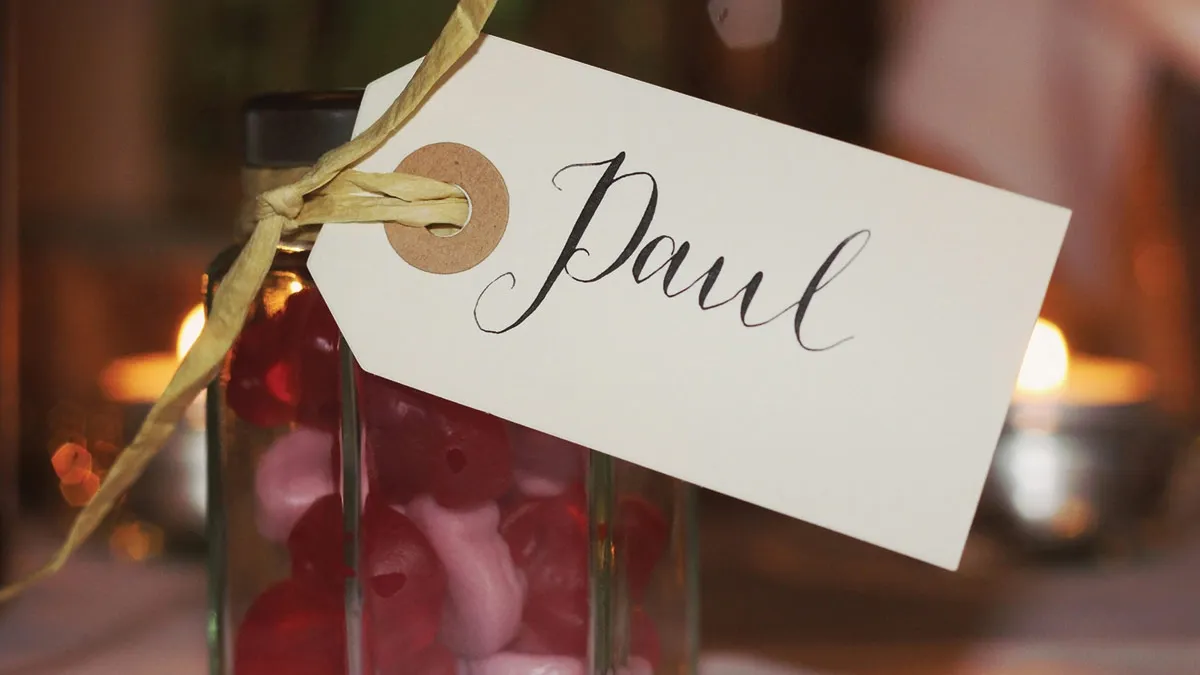
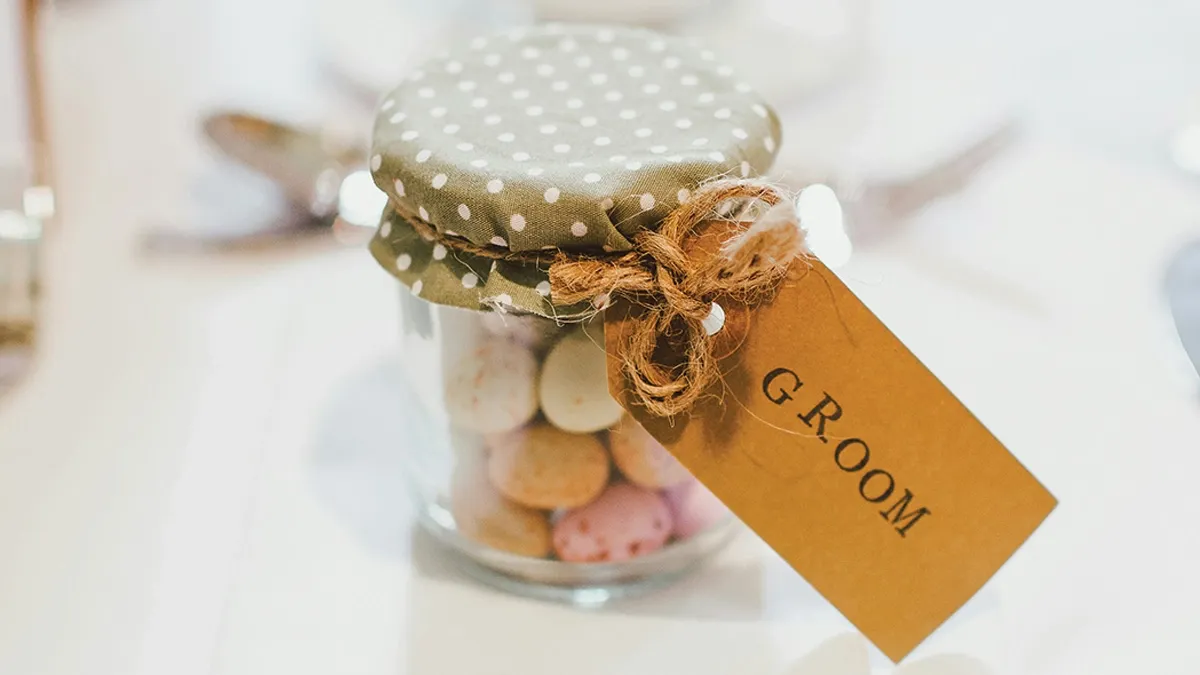
Favours do not need to match every element of the wedding, but they should feel related to the celebration. A colour accent, a material, a simple tag, a line of type from the invitations, or a small reference to the meal can create a connection. Pick one or two cues and stop there. Over-design can make a small gift feel more like merchandise than a thank-you. The favour should feel meaningful.
If French and English will both appear on packaging or tags, plan that from the beginning. Short, warm wording often works better than trying to translate a long message into a tiny space. Check names, accents, dates, and bilingual layout on a proof before production. A simple “Thank you for celebrating with us / Merci de célébrer avec nous” may be enough when the rest of the gift already tells a story.
Local relevance can be personal rather than stereotyped. A Quebec-made item, a flavour that reminds you of a family gathering, or a reference to a place that matters to you can be meaningful if it is true to your celebration. Do not add a “local” theme simply because it sounds marketable; guests notice when a gift has no connection to the couple. Keeping it simple is often the best way than overthinking it and trying to be too “original”.
Order around your confirmed guest plan
Start with the number of households or guests who will receive a favour, then decide whether couples share one gift, children receive a different item, or place settings each need an individual piece. Leave a small, intentional allowance for last-minute guests, damaged packaging, or people who would like an extra—not an open-ended quantity that will sit unused afterward.
Ask the supplier what information they need before production and when they need final quantities. If the favour is customized, review the spelling and design carefully before approving it. If the item will be delivered, make sure the delivery location, receiving contact, storage conditions, and set-up responsibility are confirmed. A supplier cannot protect an order from a bad handoff if they do not know the venue’s access window or who will be there.
Think about the end of the evening, too. Favour tables can create a bottleneck near the exit if everyone reaches for an item at once. Table placement gives every guest a gift but may cause unwanted items to be left behind. A staff member, planner, or trusted person can help manage either approach, but the responsibility should be named before the party begins.
Compare makers with questions that reveal the service
When contacting suppliers, include the date, approximate quantity, distribution plan, design idea, delivery location, and any concerns such as bilingual tags, ingredients, fragile packaging, or a custom message. Ask for a description of what is included, a proofing process for personalized items, the timing of production and delivery, and how changes to quantity or design are handled.
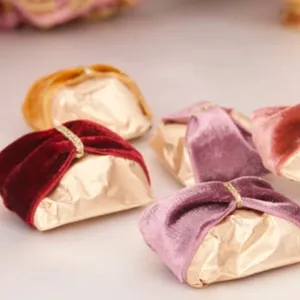
Review profiles for style and product direction, but do not rely on a photo alone. A beautiful sample says little about whether the maker can support your timeline, packaging plan, or guest count. The provider who asks thoughtful questions about your event is more likely to help you make a favour feel intentional rather than last-minute. Packaging the item is also important. Think about how the item will be wrapped and presented. Some couples purchase their wedding favours separately online without considering the additional cost of packaging or wrapping. If you enjoy DIY projects, consider turning this into a fun pre-wedding activity by inviting family members or your bridal party to help assemble and wrap the favours together. It’s a great way to spend quality time with loved ones while adding a personal touch to your wedding details.
Keep the scale appropriate to the gathering
The amount you spend is not the measure of gratitude. A simple, well-executed favour can feel generous, while an elaborate item may be forgotten if guests have nowhere to put it. If your budget has competing priorities, choose something small or decide to invest the attention elsewhere in the guest experience. You do not need a physical object to prove that you care about the people who came to celebrate.
When favours do fit, make the final presentation easy to understand. Add a short tag if it explains what the item is or invites guests to take it. Place the display where it makes sense in the flow of the evening. Then let the gift do its quiet job: send people home with a detail that feels like you.