4.9
Fleurs en Vrac MTL
Wedding Florists
Montréal, QC4.9
Ombelle Fleuriste
Wedding Florists
Saint-Basile-le-Grand, QC4.4
Lelili Fleurs
Wedding Florists
Laval, QCLa Vie Fleurie
Wedding Florists
Montreal, QC4.6
Alain Simon Fleurs
Wedding Florists
Montreal, QC4.3
Fleuriste Italia
Wedding Florists
Montreal, QC4
La Grâce des Fleurs
Wedding Florists
Laval, QC
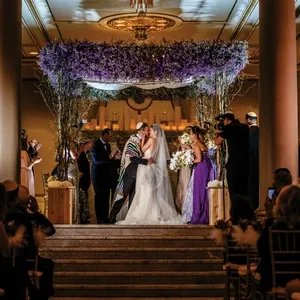
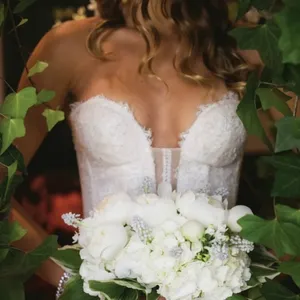
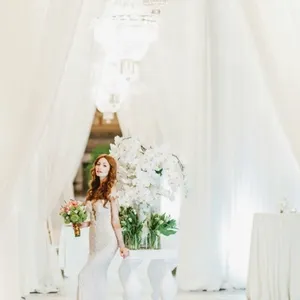
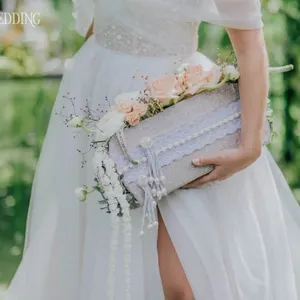
Filters
Base Price
Services









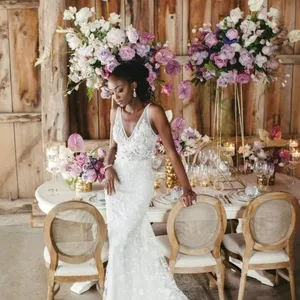
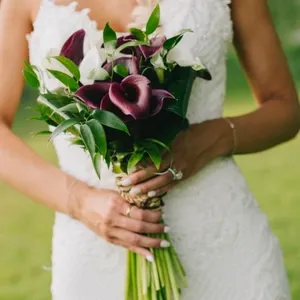
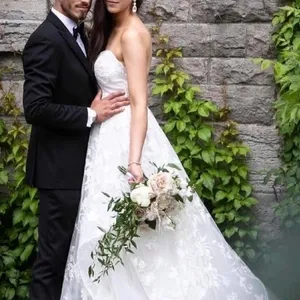
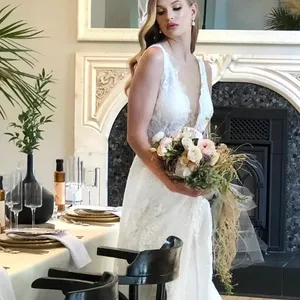
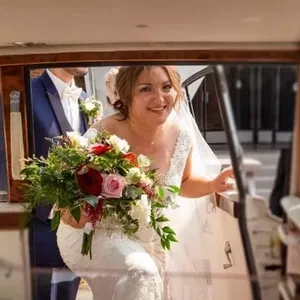
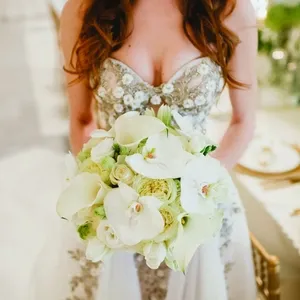
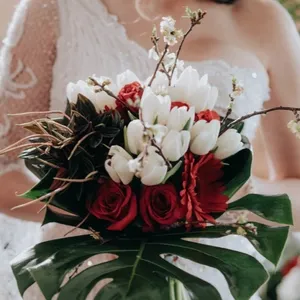
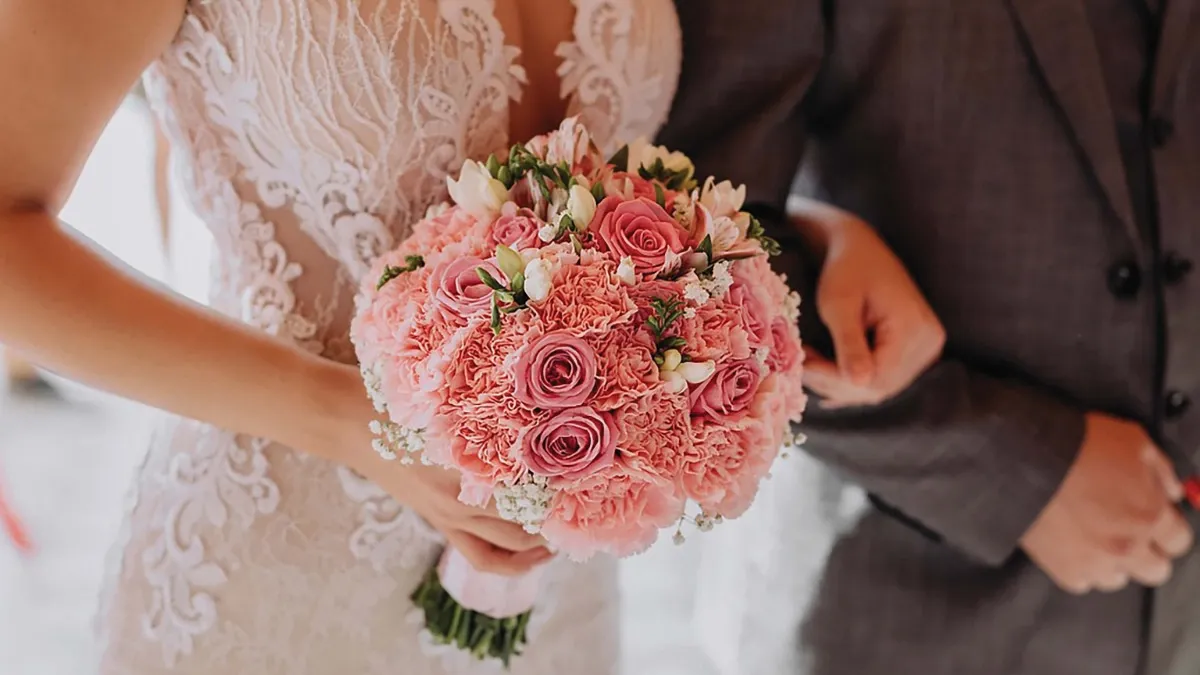
When you think about flowers for your wedding, you may picture the bride’s bouquet or beautiful flowers on the dinner tables. Flowers help set the mood for the day and will be part of many special photos. Many brides already have an idea of the flowers they would love to see on their wedding day, whether it’s roses, calla lilies, hydrangeas, dahlias, or a mix of their favourites. Your flowers can add a personal touch and help make your wedding feel special and designed the way you want.
Use the profiles above to compare service area, portfolio evidence, and working style. Then use the details below to find a florist who can translate your references, venue, timing, and priorities into an arrangement that works in real conditions.
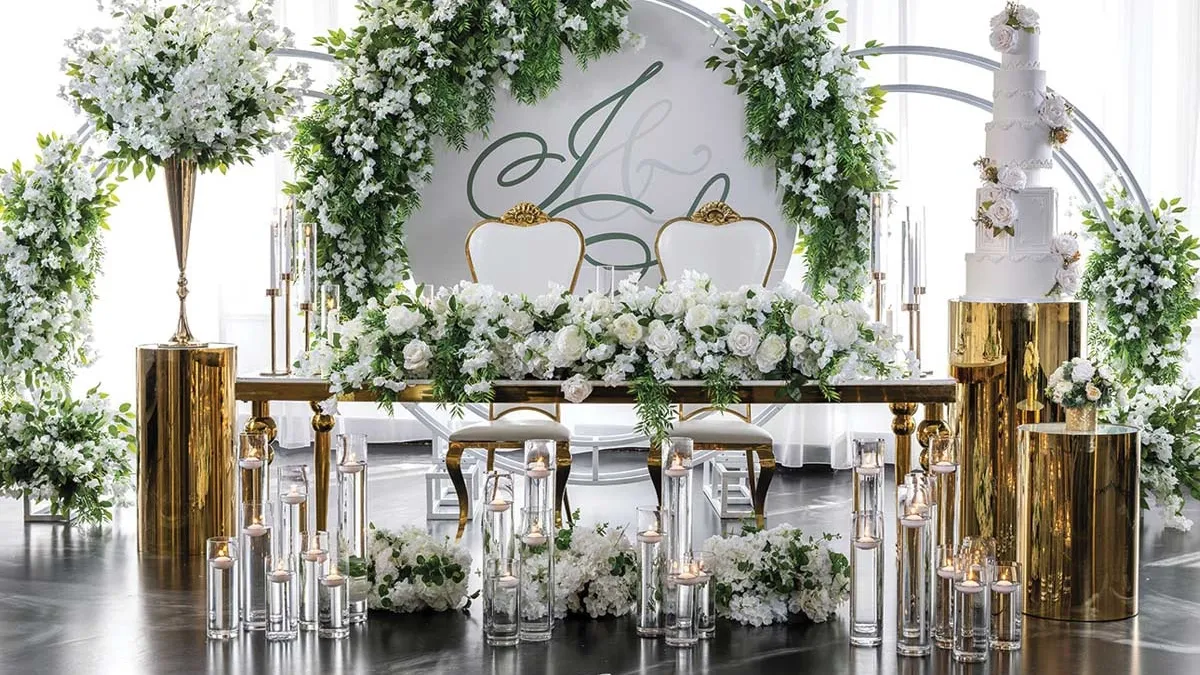
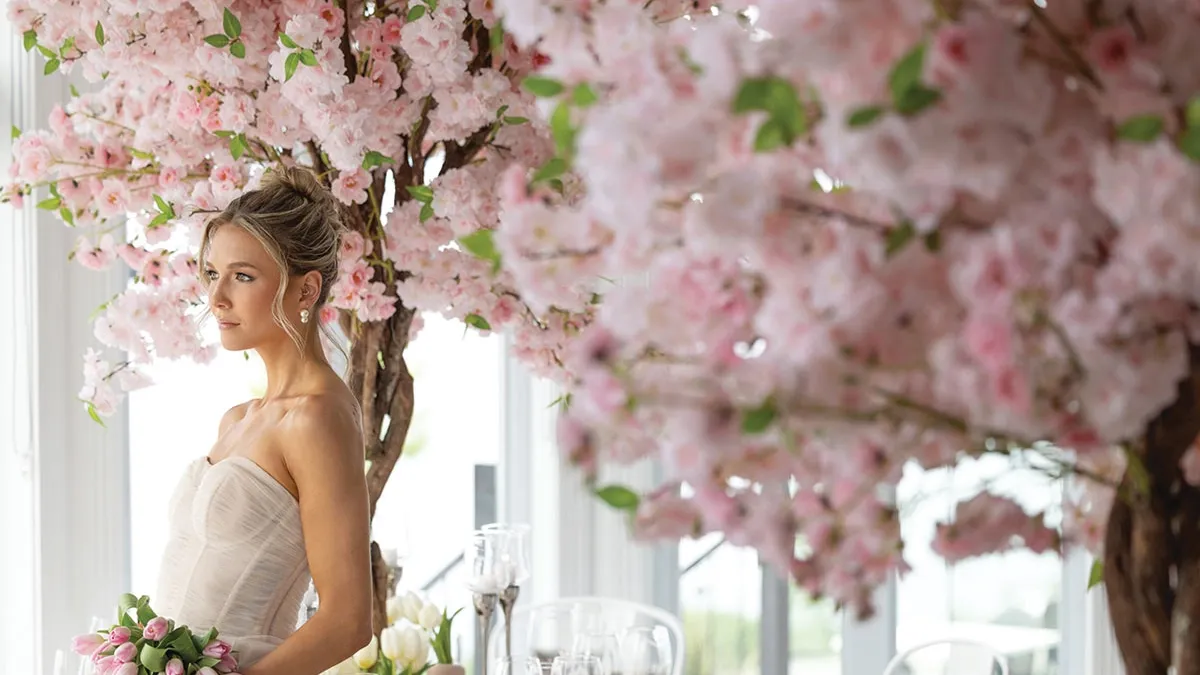
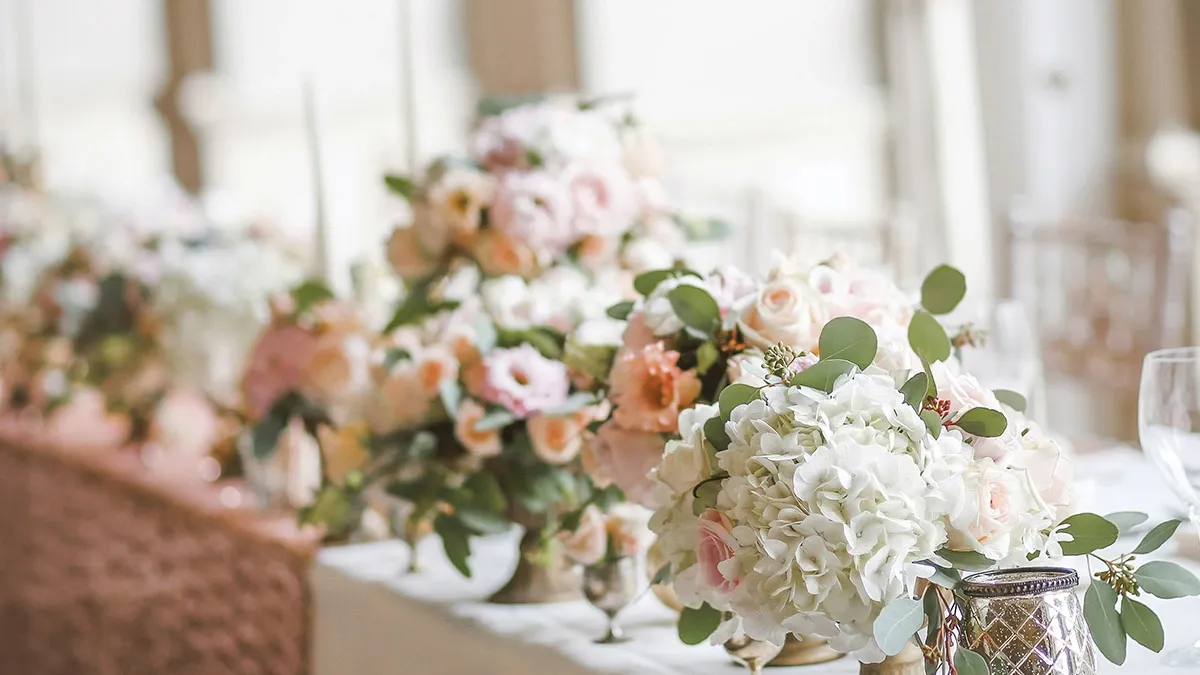
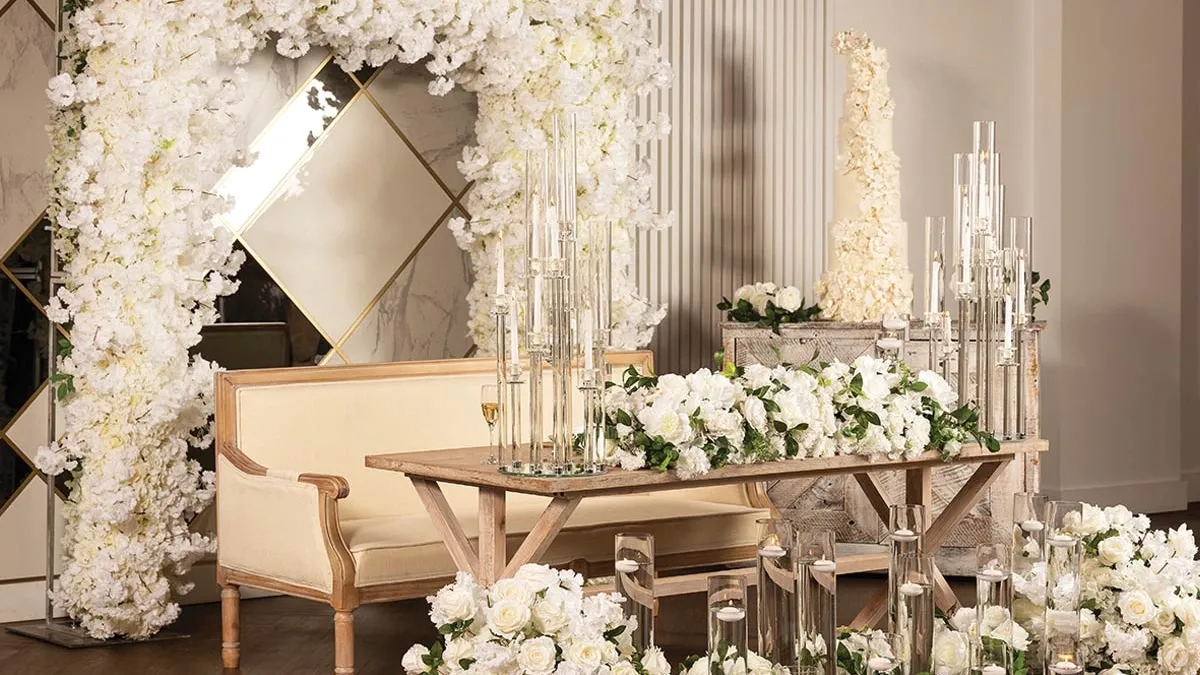
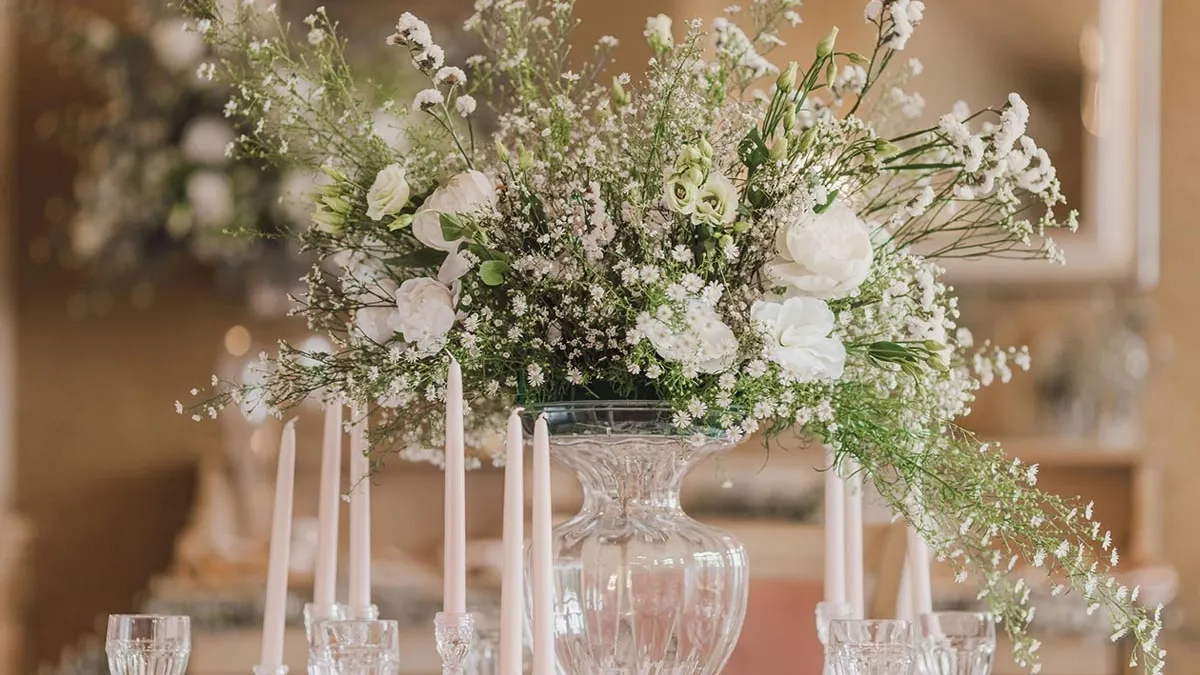
Start with the feeling, then name the moments that need flowers
Words such as “romantic,” “modern,” “garden,” or “minimal” are useful shorthand, but they do not yet describe a floral project. A florist needs to understand where the flowers will live and what they need to accomplish. Make a short list of spaces and moments: personal flowers, ceremony entrance, aisle, vows, cocktail tables, bar, escort-card display, head table, guest tables, cake, lounge, and farewell.
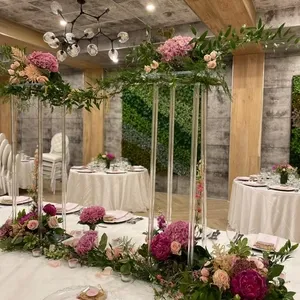
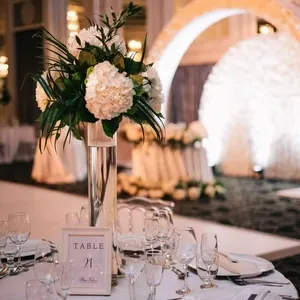
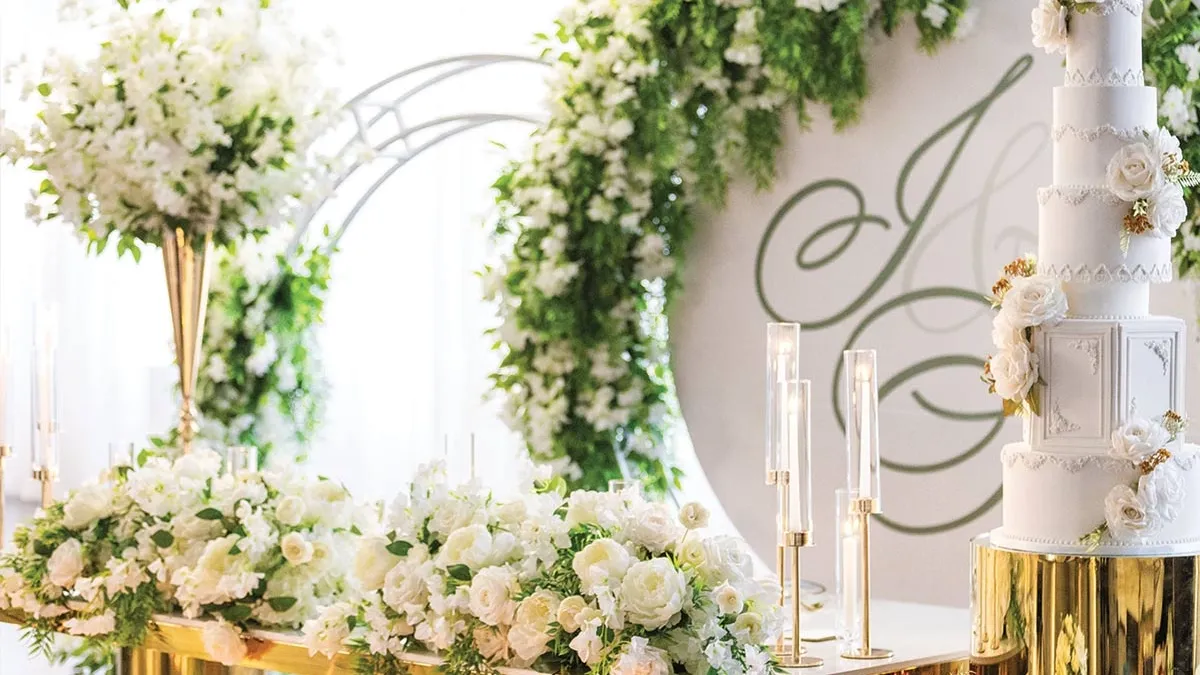
Do not assume every area needs the same treatment. If guests will spend most of the evening at dinner, centrepieces and table-level details may be more meaningful than a large ceremony installation that is seen briefly. If the ceremony is the emotional centre of the day, a focal piece may be worth protecting in the budget. If the room already has strong architecture, one well-placed statement can work harder than many unrelated accents.
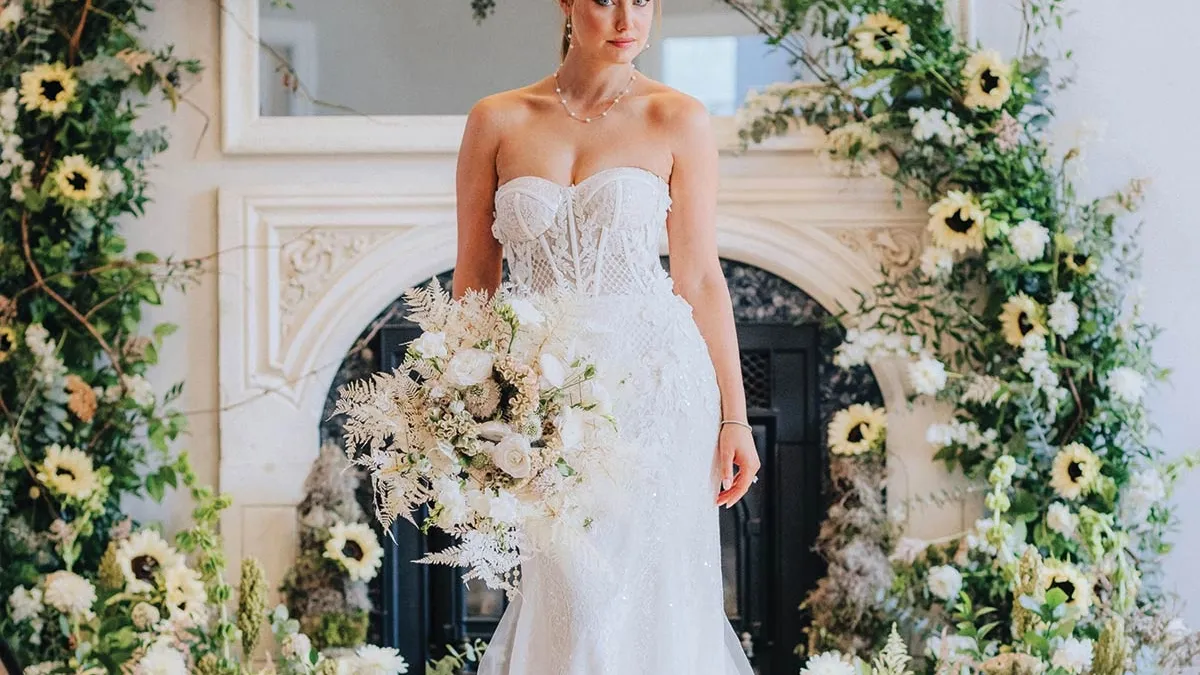
Share a small, edited group of reference images rather than hundreds of saved pictures. Tell the florist what you notice in each one: open space, a single colour, branches, low arrangements, texture, candlelight, or the way flowers frame people in photographs. That gives them an idea to interpret, rather than a puzzle made of designs created for other rooms and budgets.
Bring the venue and schedule into the first conversation
Flowers are affected by their surroundings. A ceiling installation, an outdoor arch, a bud-vase dinner, and a bouquet carried through a long photo session have different practical needs. Give the florist your venue name, the rooms or outdoor areas you are using, ceremony and reception times, guest count, table shapes, and an estimate of when vendors can load in. If you have a floor plan or recent photos of the space, include them.
Ask what needs to be installed on-site and what can be placed by your own team. An arrangement that looks simple in a photograph can involve mechanics, ladders, rented structures, transport, labour, and a specific setup window. Conversely, a thoughtful collection of personal flowers and table arrangements may create a beautiful effect with less installation. Discuss teardown as well: who removes rented vessels, larger pieces, or mechanics after the reception, and what happens to flowers you hope to give away.
If you’re worried about staying within your wedding budget, don’t worry, you can still have beautiful flowers without spending more than you planned. One simple way to save is to reuse your floral arrangements throughout the day. For example, flowers used at the church or ceremony can be carefully moved to your reception and placed on the dinner tables. This way, you get to enjoy your favourite flowers more than once and make the most of every arrangement you pay for.
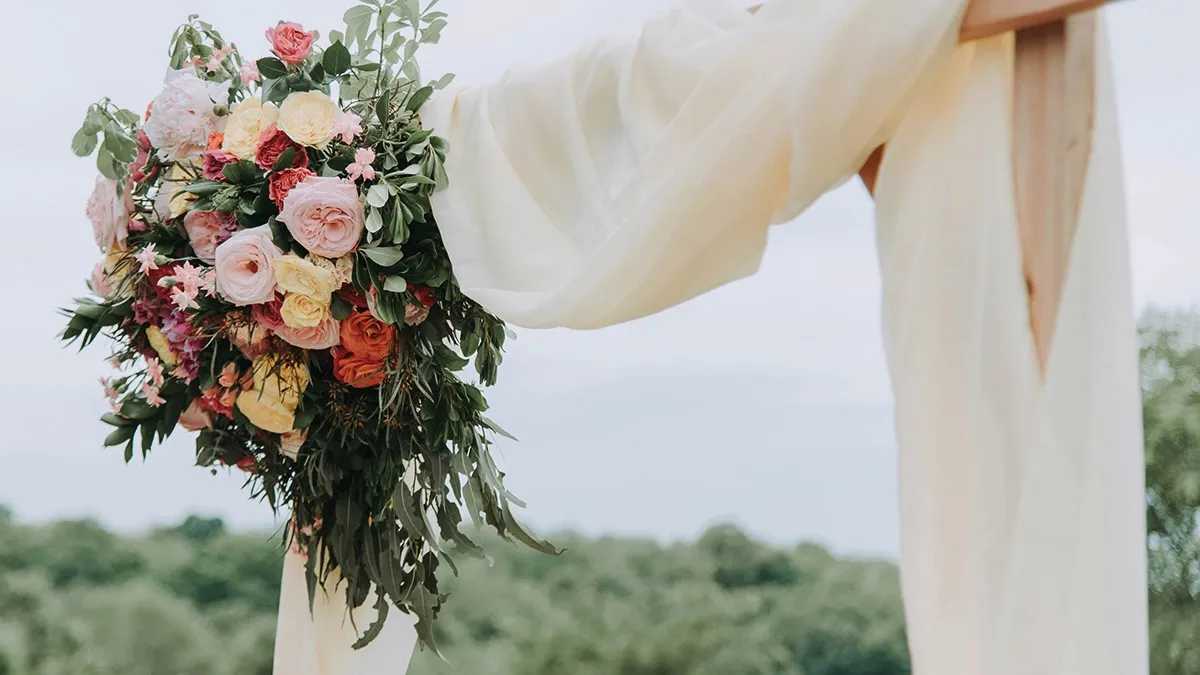
At outdoor venues, ask how the florist approaches wind, heat, rain, uneven ground, and moving the ceremony indoors. Use that conversation to choose designs that suit the site and can adapt if the ceremony moves indoors.
Use the season as a creative boundary, not a limitation
A seasonal date should influence the conversation, especially in Quebec where celebrations can happen in very different temperatures and light. A florist can explain which colours, textures, and flower families are likely to work with your date and what alternatives could create a similar feeling if a specific bloom is unavailable. Avoid building the entire concept around one exact flower from a social-media image unless you are happy to approve substitutes.
Ask for a palette and design direction rather than a rigid shopping list. “Airy whites with fresh green and a touch of blue,” “warm autumn texture without orange,” or “quiet, sculptural arrangements with plenty of negative space” gives a designer room to use material well. You can still identify non-negotiables, such as a flower with family meaning or a colour you do not want to see. The distinction is useful: protect the things that matter emotionally, and stay flexible about the route to the final look.
Seasonality does not automatically determine quality, cost, or sustainability. Those outcomes depend on sourcing, quantities, travel, labour, and the design itself. Ask the florist how they source material, whether local or seasonal flowers can be incorporated, and what trade-offs each approach brings. A clear answer is more valuable than a vague promise.
Give your floral budget a visible hierarchy
Tell a florist your comfortable overall range before they build a detailed proposal. It lets them decide where to concentrate the design and what to simplify. A proposal may include personal flowers, ceremony pieces, reception centrepieces, installations, candles, rentals, delivery, setup, teardown, and taxes or other charges. Read it as a plan, not as a list of stems.
When you need to reduce the scope, ask what will preserve the intended feeling. Would fewer tables benefit from fuller arrangements? Could a ceremony structure be moved behind the head table? Would a change in vessel, flower variety, height, or installation method matter less to guests than losing the main focal point? A florist who explains these choices is helping you spend with purpose.
Be clear about the difference between a quote and a final commitment. Ask what may change with seasonal availability, what approvals are required for substitutions, what payment schedule applies, and which rental items must be returned. It is easier to make a trade-off before an order is placed than during setup.
Look for the right working relationship
When looking through a florist’s work, don’t just focus on the bouquets. Does the floral scale make sense for the room? Do ceremony pieces frame the couple without blocking views? Are centrepieces comfortable for guests seated across from one another? These are signs of design judgment.
In an inquiry, describe your date, venue, guest count, approximate budget, style references, priority spaces, and whether you need delivery, installation, or teardown. Ask how the florist approaches proposals, revisions, sample meetings, substitutions, and day-of logistics. Their answers will show whether their process suits you. Working with a florist is a personalized experience, some florists will share personal experiences, things they have observed with other couples. A great florist will get to know their client to put some thought into their floral arrangements which reflects the couple’s personality for their big day.
Your wedding doesn’t have to look like a styled photo shoot. Choose flowers that fit your venue, season, and style and make the day feel like your own. Look through the florist profiles above and find someone whose work makes you excited to picture your entire wedding, not just the bouquet.