Filters
Base Price
Services



Wedding jewellery often carries two very different jobs. A ring or band may become part of everyday life for years. Earrings, a necklace, a bracelet, a hairpiece, or cufflinks may be chosen to complete one particular look. Treating those decisions separately makes the search easier. One asks for durability, fit, care, and personal meaning; the other asks how a piece works with clothing, photographs, and comfort through a long day.
Use the profiles above to compare jewellers by service area, work shown, and consultation approach. Then arrive at a consultation with questions that go beyond a single stone, trend, or display case.
Begin with the life of the ring, not the display tray
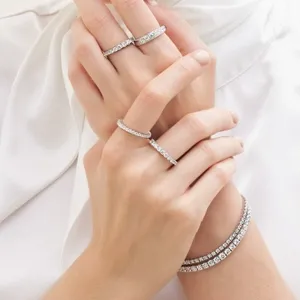
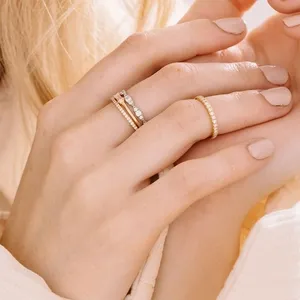
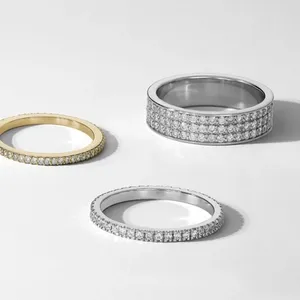
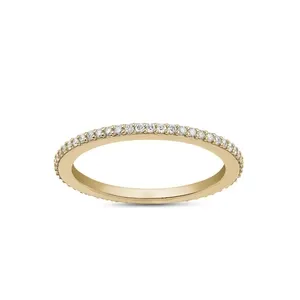
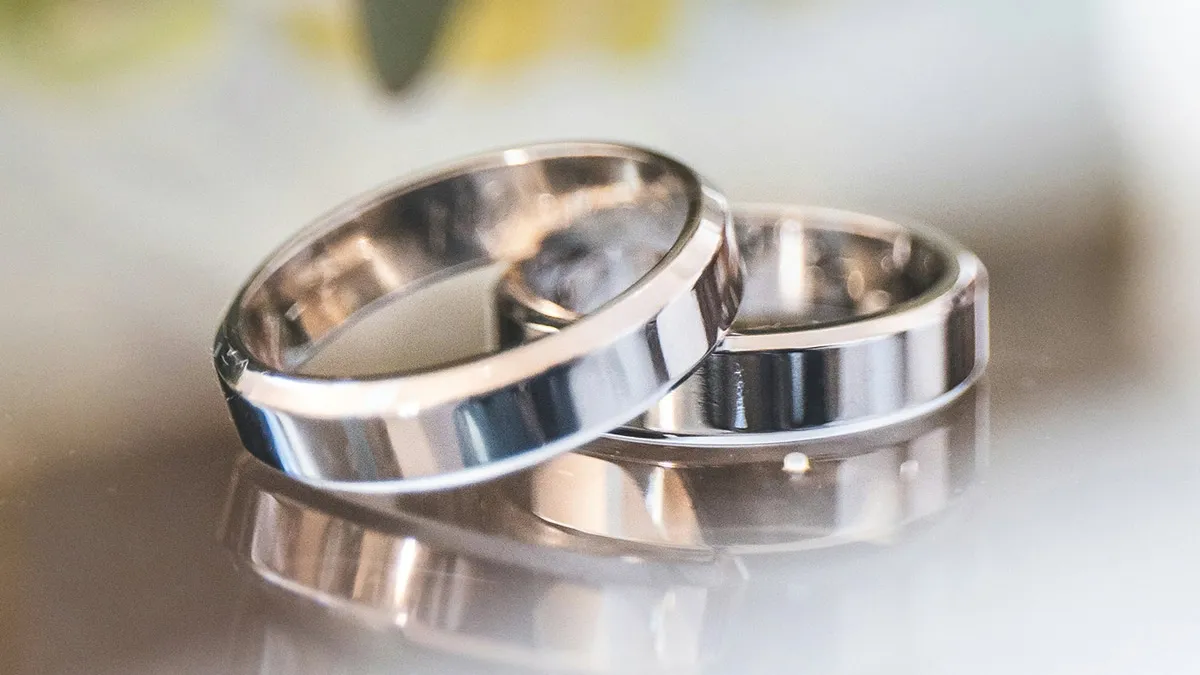
If you are choosing wedding bands, engagement rings, or a stack that will be worn every day, think about the work and routines of the people who will wear them. Do you use your hands frequently? Prefer a low profile? Want a band that sits close to an existing ring? Need a style that can be worn alone or with another piece? There is no correct answer, but those answers should shape the conversation before you compare finishes or stones.
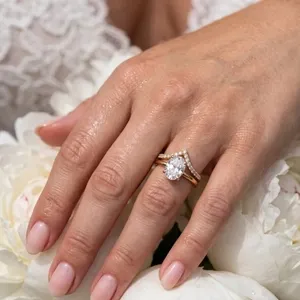
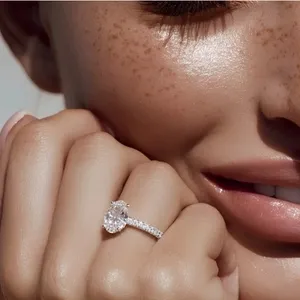
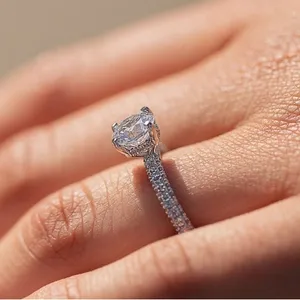
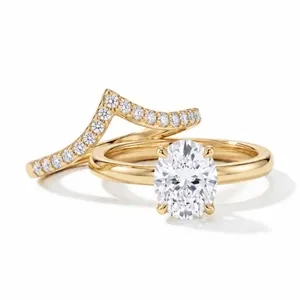
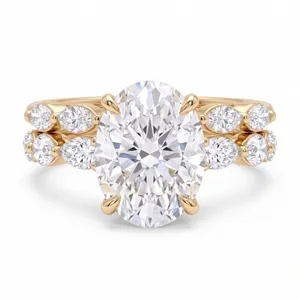
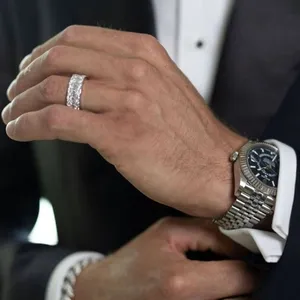
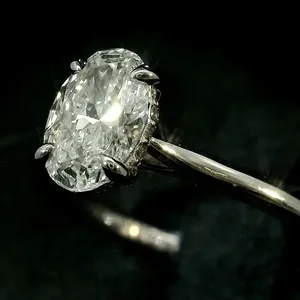
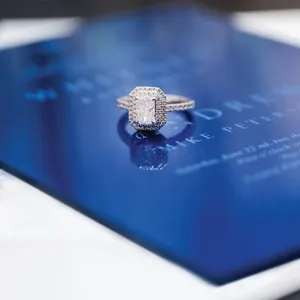
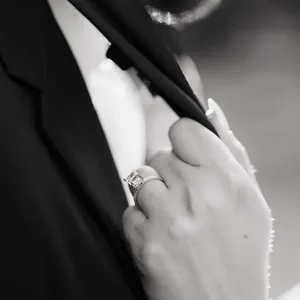
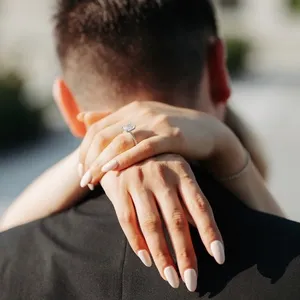
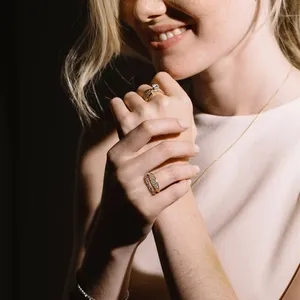
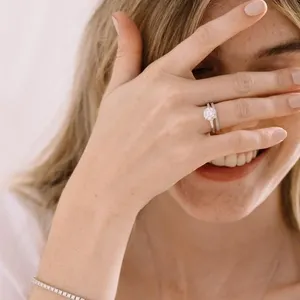
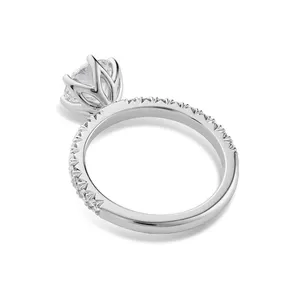
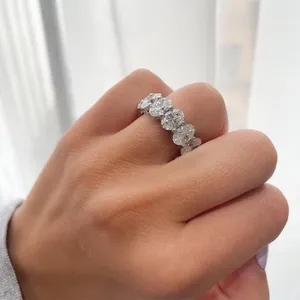
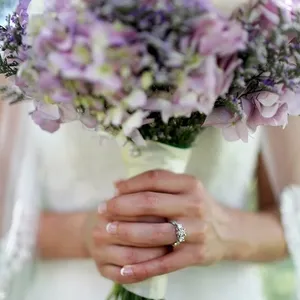
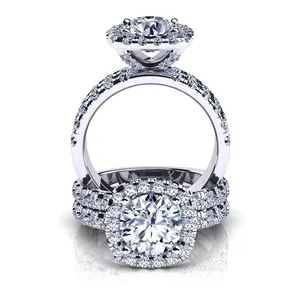
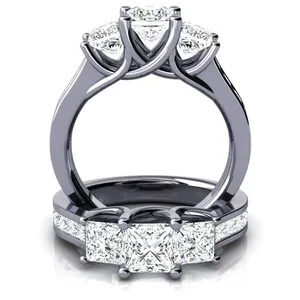
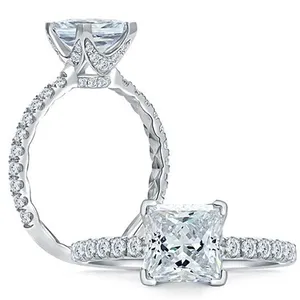
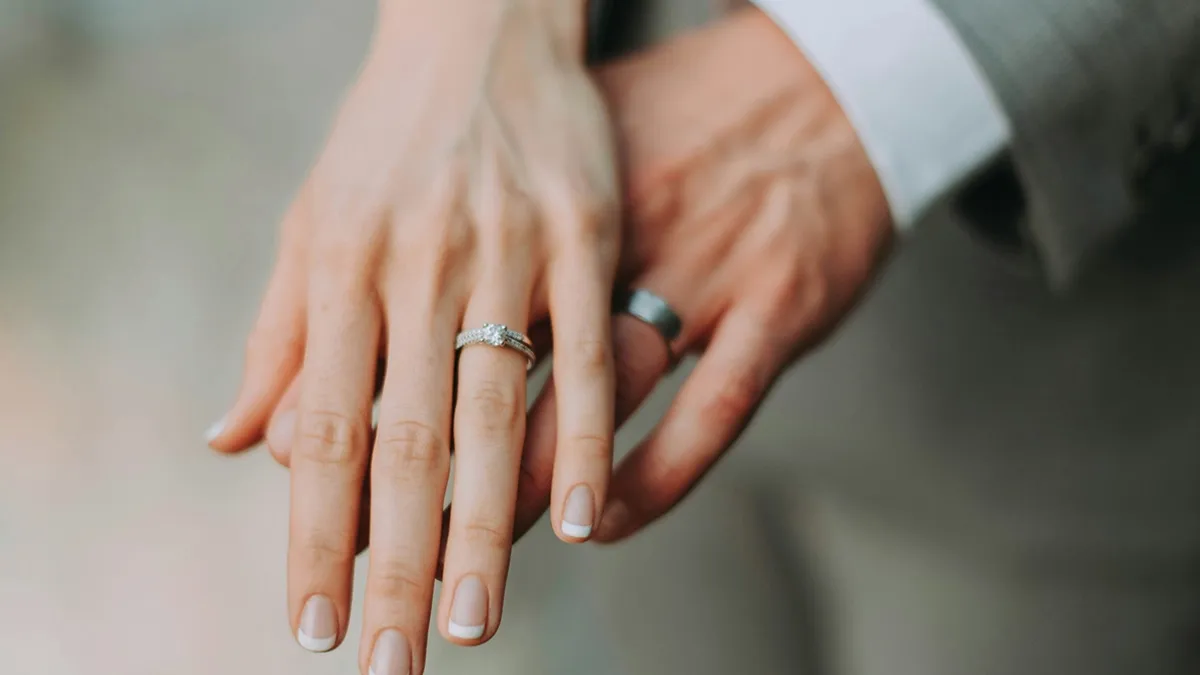
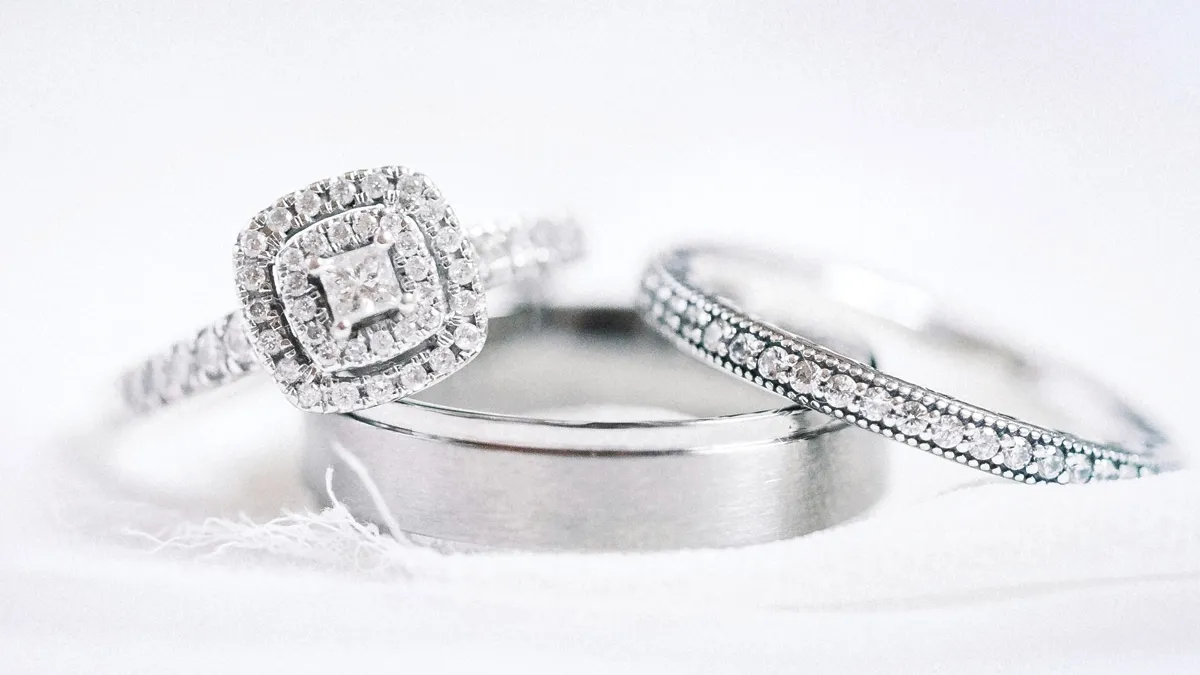
Try a ring on more than once if possible. Hands can feel different through a warm fitting room, a cold walk outside, a busy workday, or a change in season. A jeweler can explain sizing options and how a particular profile feels, but you should also close your hand, pick up a bag, and notice whether edges, height, width, or weight bother you. If one ring needs to sit beside another, try the combination together rather than relying on a drawing or description. This is where most people like to see how the ring looks on their finger. Coupling the ring with a wedding band helps you understand how they look and feel on your finger. Most women complain about an engagement ring with a raised diamond, this can be in the way when you cook food and do household chores.
Ask what changes are possible after purchase, whether a chosen design can be resized, and what future care involves. The answer may vary by metal, stone setting, design, and construction. A clear answer is more useful than an assumption that every ring can be changed in the same way.
Make materials part of a personal, practical choice
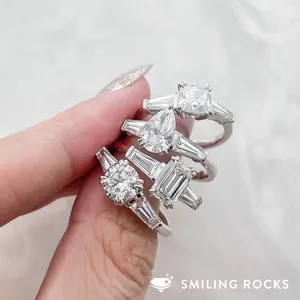
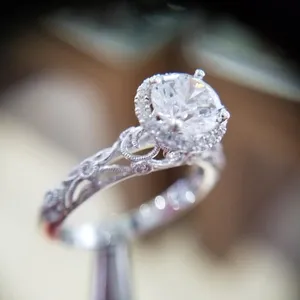
Metal colour is only one part of the decision. Ask a jeweller to explain the characteristics of the metals and finishes you are considering, including appearance, maintenance, wear, and compatibility with the rest of your jewellery. If you are comparing diamonds, coloured stones, lab-grown stones, or another option, ask which details affect the look you care about: shape, setting height, cut, colour, size, durability considerations, or the way the stone appears in different light. Ask for a diamond certificate when you are purchasing your ring, you can also insure your ring with the certification.
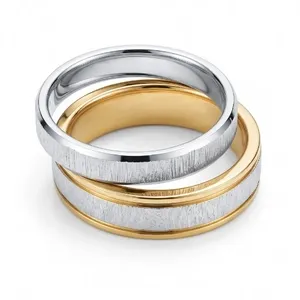
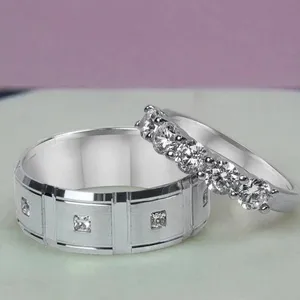
There is no need to pretend that two partners want matching bands. One person may want a simple, low-profile ring; the other may want a contoured band that fits an engagement ring. A shared engraving, related finish, similar metal, or no visual link at all can be equally meaningful. The goal is to make choices that each person wants to wear.
If ethical sourcing, recycled metal, traceability, or a specific origin matters to you, say so at the beginning. Ask what the jeweller can document and what language is appropriate for the materials you are considering. Do not rely on a broad label alone. Request written details for the actual piece when that information affects your decision.
Choose a jeweller for the way they explain the work
For a ready-to-wear ring, a custom design, or a redesign of an heirloom, the consultation should leave you more informed. Bring images if they help, but describe your priorities as well: a firm budget, a date, a preference for a minimalist design, a ring that must fit beside an existing piece, or a desire to reuse family material. Ask what can be done, what should be avoided, and what part of the design creates cost, structural, or timing implications.
Custom work has its own stages. Ask how the idea becomes a design, when you will approve details, whether you will see a model or rendering, what revisions are possible, and what happens if the finished piece differs from what you expected. Do not treat a custom project as a faster or more flexible version of every other route. It may be exactly right for a specific design, but its timeline and terms should be clear before you commit.
Look for specific explanations rather than vague reassurance. A jeweller who can explain the setting, dimensions, materials, care, documentation, and next steps gives you information you can use after the excitement of the appointment fades.
Build a thoughtful day-of jewellery look
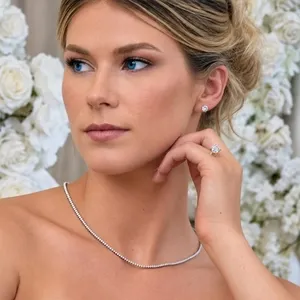
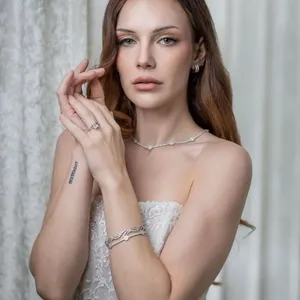
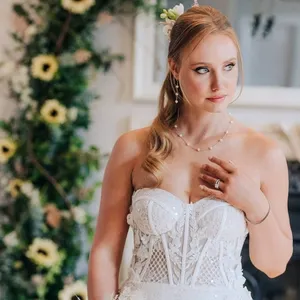
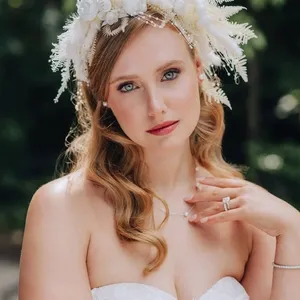
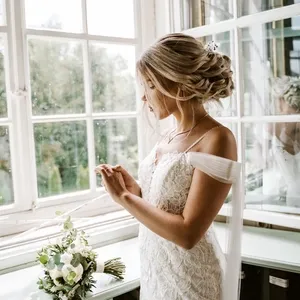
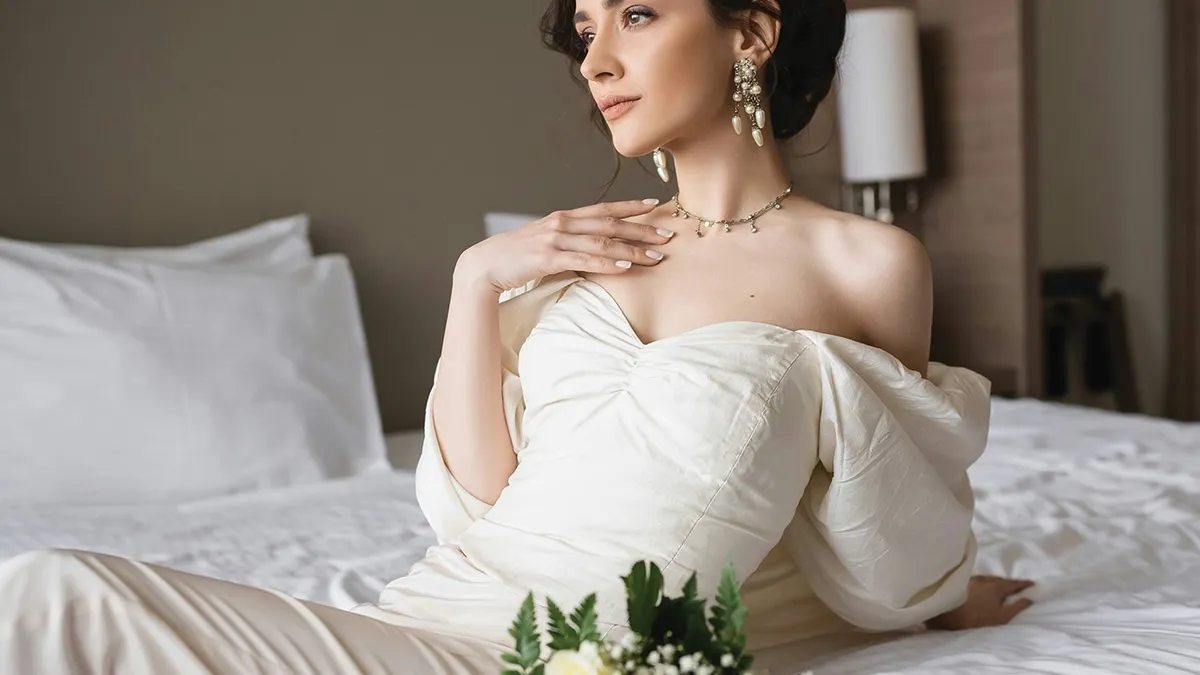
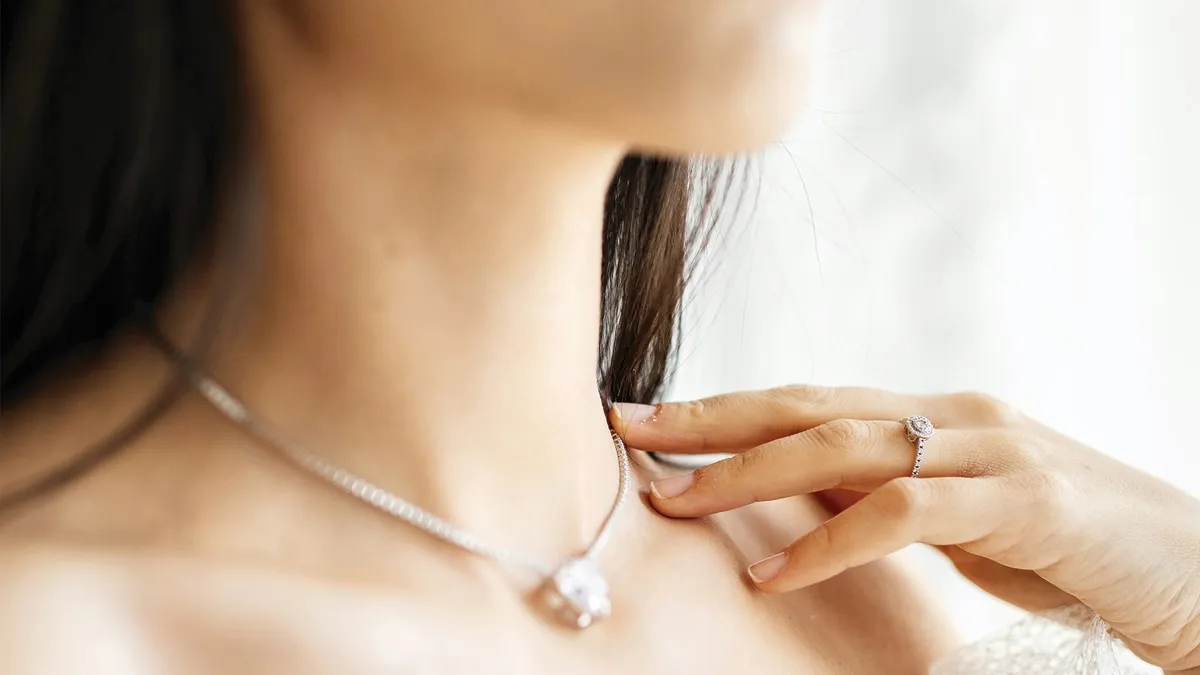
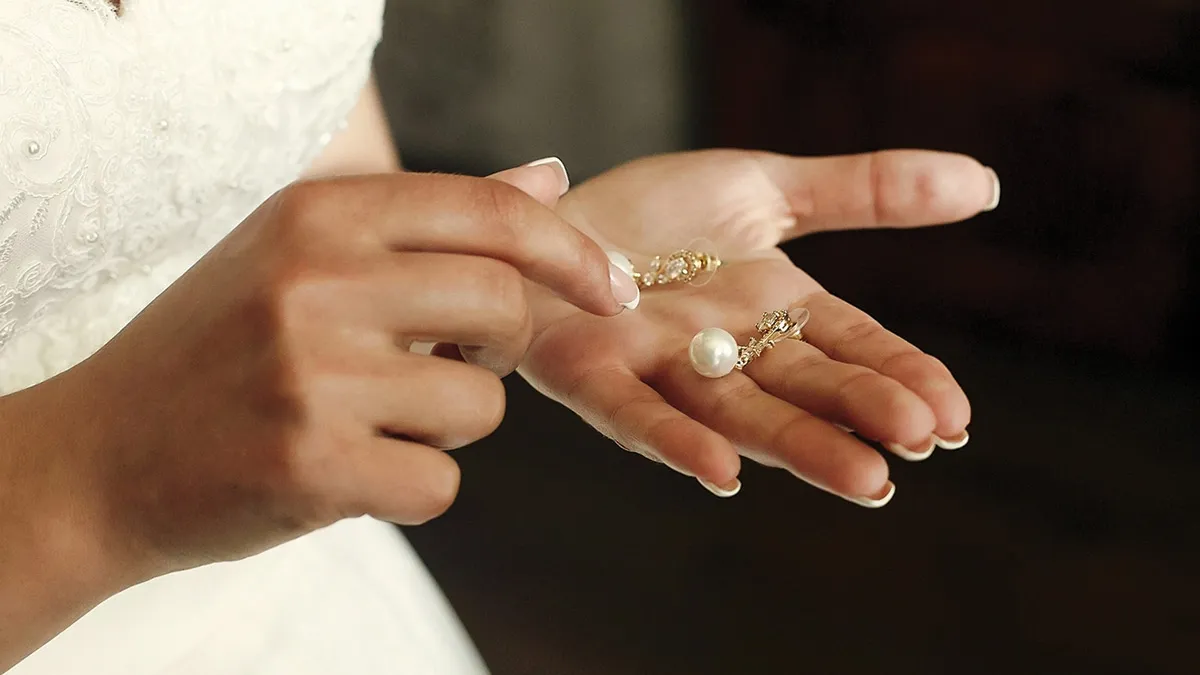
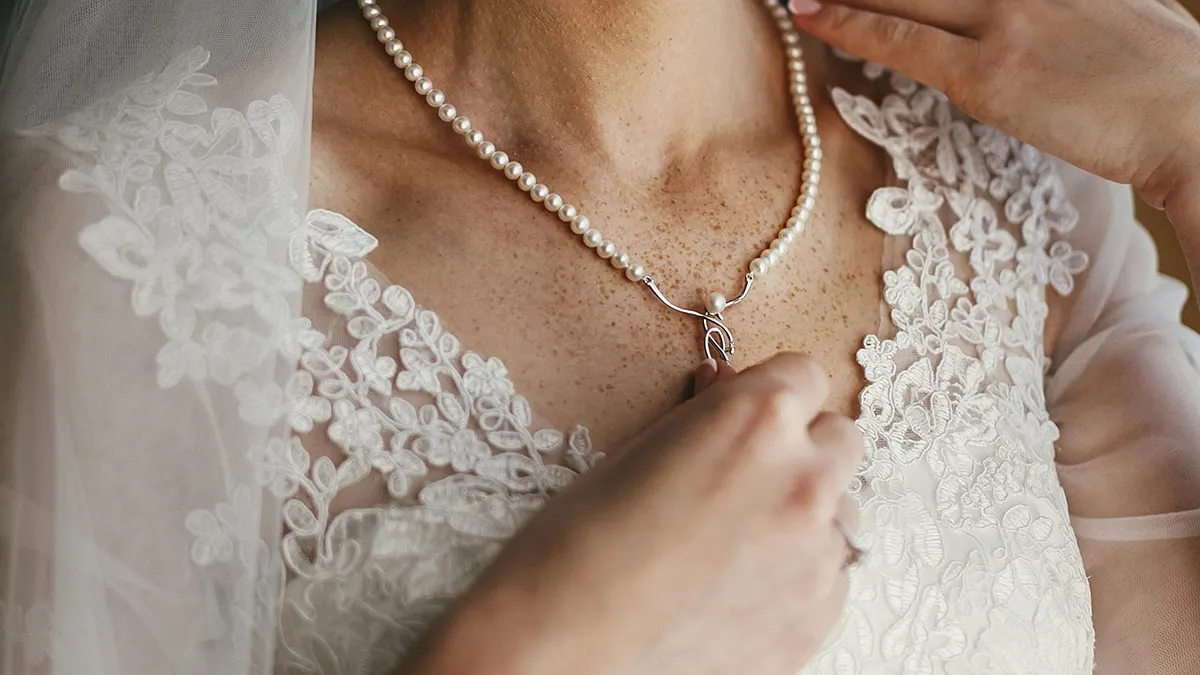
Wedding-day accessories do not have to match every feature of a dress or suit. They should make the overall look feel deliberate. Begin with the neckline, sleeves, fabric, hairstyle, and any meaningful piece you already plan to wear. A detailed neckline may need little else; a clean silhouette may leave room for earrings, a necklace, or a bracelet. If you will wear a veil, headpiece, or bold hair accessory, try to see it with the jewellery before making final choices.
Comfort matters as much as scale. Earrings that tug, a bracelet that catches on fabric, a necklace that sits differently when you move, or cufflinks that do not work with the shirt can become an annoyance during a long day. Wear promising pieces for a while at home if the retailer’s terms allow. Photograph them in natural and indoor light with a sample of the outfit. The goal is not to chase a trend, but to see whether the pieces support the person wearing them.
Heirlooms can be worn exactly as they are, incorporated into a new design, or kept close in a less visible way. Discuss any alteration of a family piece carefully, especially when it has sentimental value. Take photographs and confirm the work in writing before anything is changed. Heirlooms are often donated by family members and can be gifted to the couple as a wedding gift, but oftentimes, they can be the “something borrowed for the bride.”
Protect the practical details before the wedding
Once you choose rings or jewellery, ask how to care for, clean, store, insure, repair, or resize them. The right approach depends on the piece. Keep receipts, appraisal or specification documents where relevant, and the written terms for custom work, repairs, or warranties. If the jeweller offers a future service, ask what is covered and under what conditions.
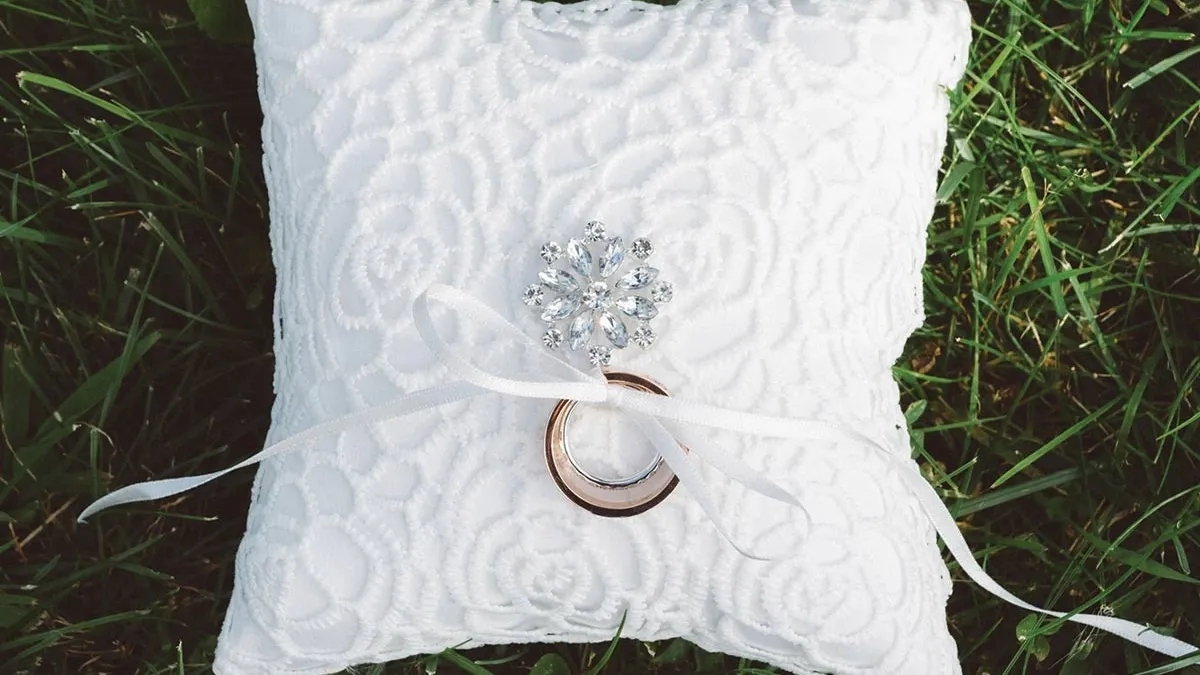
For the wedding day, decide who will carry the rings, where they will be stored before the ceremony, and what happens if you are moving between locations. It is a small plan that prevents a meaningful item from becoming one more thing to track during preparations. It’s also best, to assign the best man or maid of honor to take care of the rings as they adjust it to the ring bearer’s pillow during the ceremony. Some couples choose to forgo the ring bearer tradition altogether, and assign ring duty to a trusted person in their wedding party or family member.
The profiles above are a starting point, not a reason to rush. Compare the work, questions, and communication style of the jewellers you contact. The best choice is the one that leaves you with a piece you understand, enjoy wearing, and feel good about long after the wedding photographs are taken.