4.7
Senso Uomo
Wedding Tuxedo
Montreal, QC4.7
Baggi
Wedding Tuxedo
Montreal, QC5
Maison Mitri
Wedding Tuxedo
Montreal, QC4.4
Tip Top
Wedding Tuxedo
Montreal, QC4.9
Jaco Uomo
Wedding Tuxedo
Montreal, QC4.4
M/2 Boutiques
Wedding Tuxedo
Mount Royal, QC4.7
Surmesur
Wedding Tuxedo
Montreal, QC5
Blandin & Delloye
Wedding Tuxedo
Montreal, QC4.6
Maison Cloakroom
Wedding Tuxedo
Montreal, QC

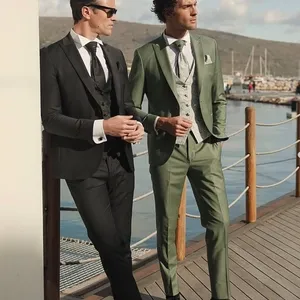
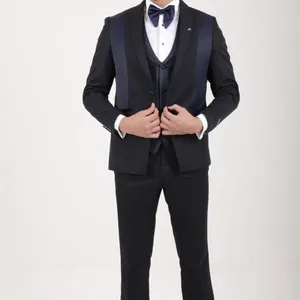
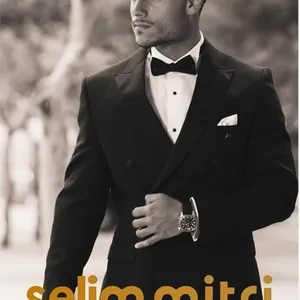
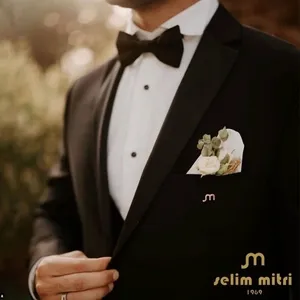


Filters
Base Price
Services


Formalwear works best when it lets the person wearing it feel at ease. The right suit or tuxedo should make sense for the ceremony, the venue, the time of day, and the rest of the wedding party, but it should also fit comfortably through photos, dinner, hugs, and dancing. A classic black tuxedo, a tailored suit, a textured jacket, a coordinated non-traditional look, or a carefully chosen rental can all be appropriate. The decision starts with how formal the event is and how you want to move through it.
Mariage Élégant lists formalwear providers in Montréal and nearby areas. Browse the profiles below, then use the guide to ask better questions about styling, fit, alterations, and the practical difference between renting, buying, and commissioning a garment.


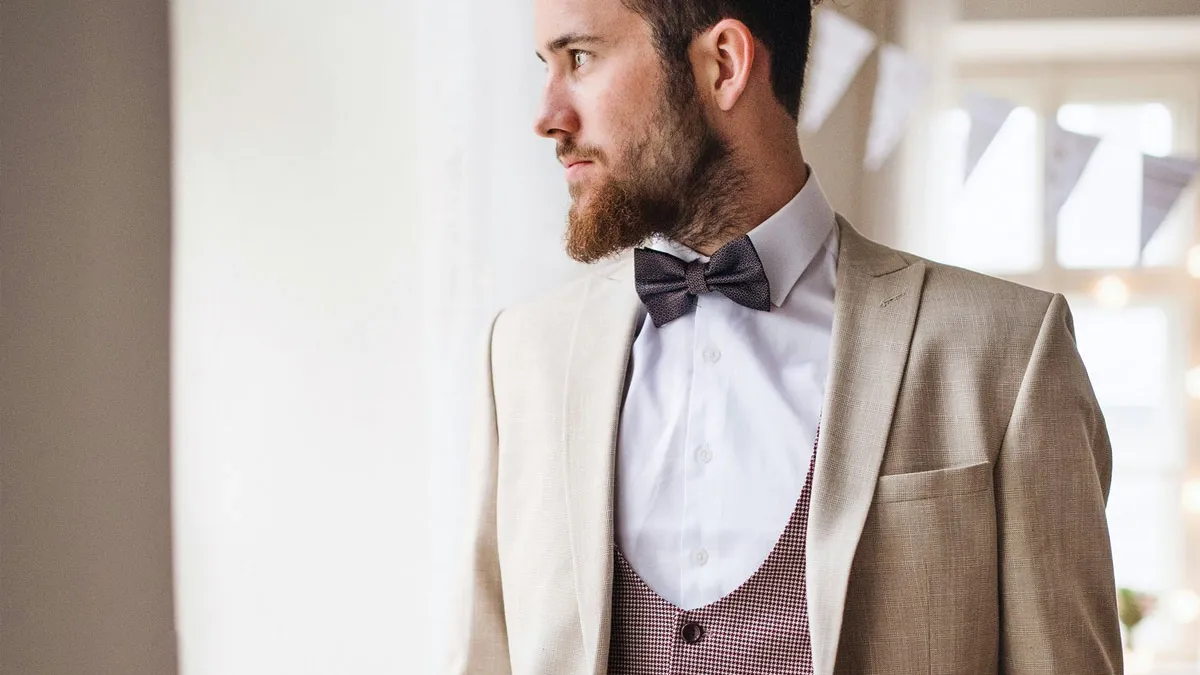
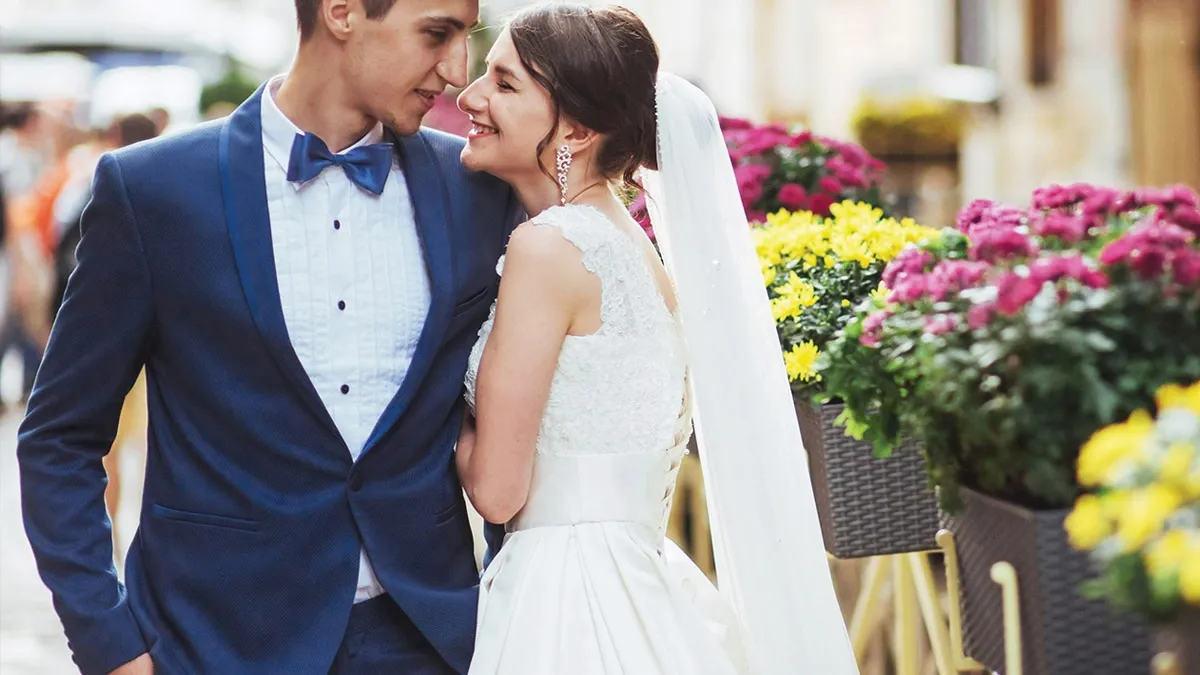

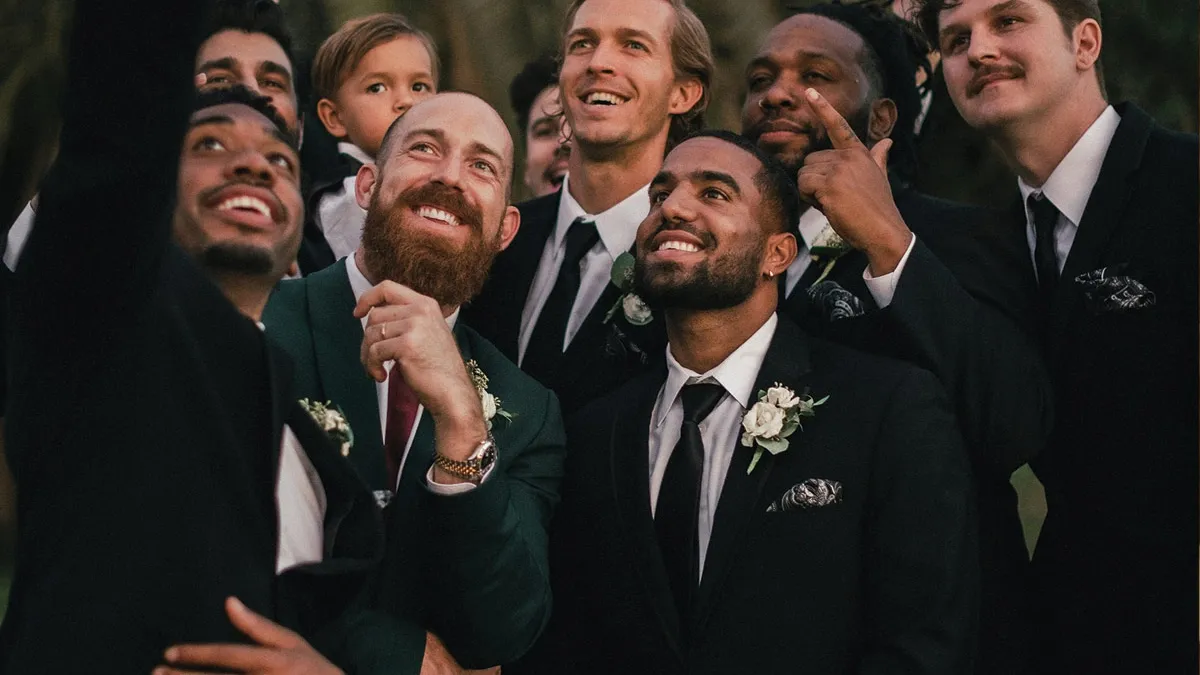
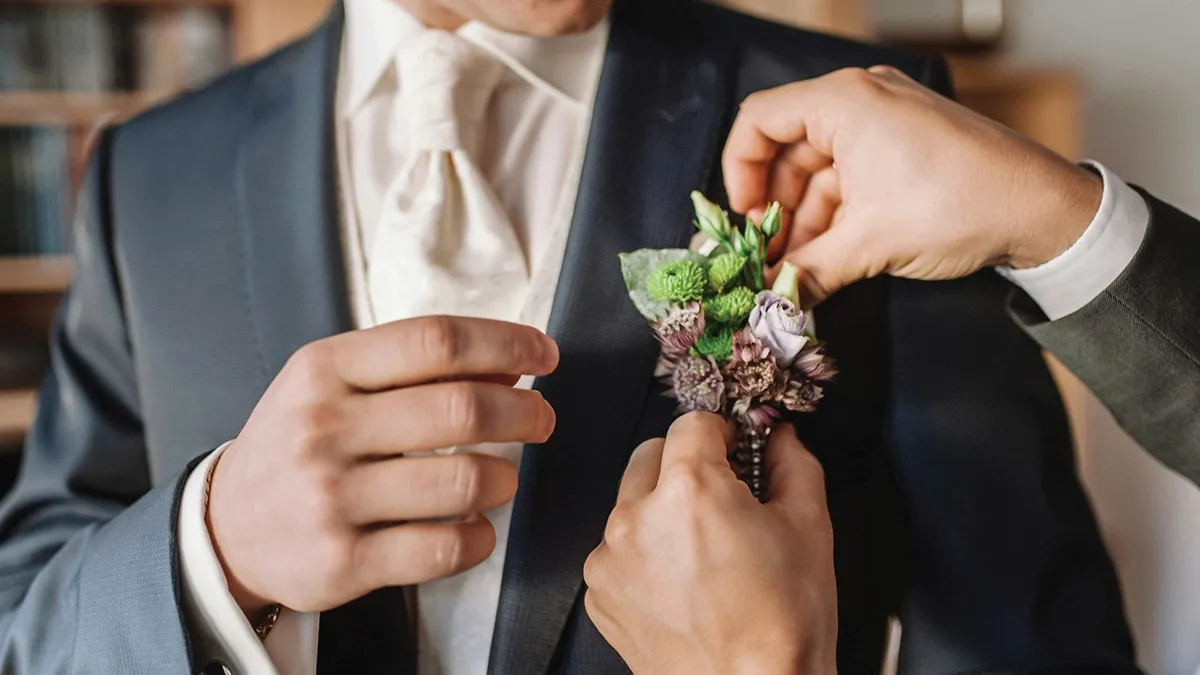
Set the dress code before choosing a colour
Begin with the invitation, ceremony setting, and reception plan. Is the event black tie, formal, cocktail, relaxed, or deliberately hard to label? Does it begin in daylight and end late? Is the ceremony outdoors, in a religious setting, in a ballroom, or in a restaurant? Those choices affect whether a tuxedo, dinner jacket, suit, tailored separates, or another formal look feels appropriate. As a groom, it’s important to think about your wedding theme, the time of year and what the weather will be like, as well as your fiancée’s input when choosing your wedding-day outfit. Together, you can decide whether a classic suit or a more formal tuxedo is the right fit for your wedding style.
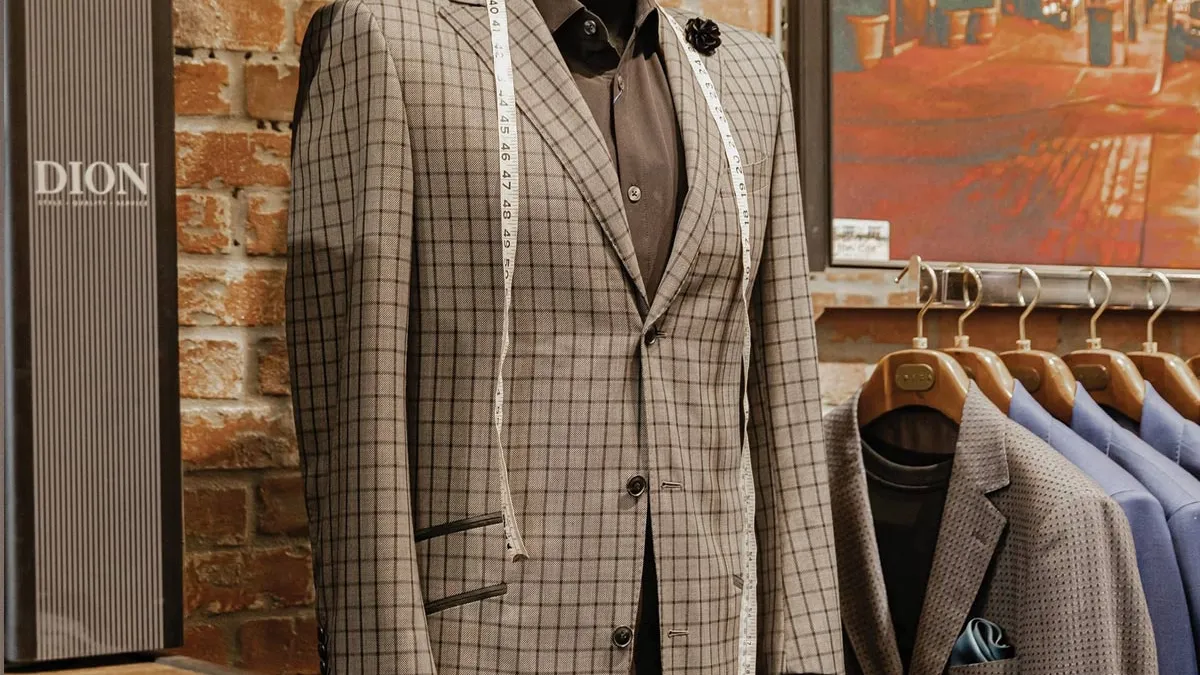
A tuxedo traditionally uses formal details such as contrasting lapel facings and a bow tie, while a suit is typically made from one cloth throughout. In real weddings, the decision can be more flexible than the definition suggests. What matters is that the level of formality feels intentional rather than accidental. Bring a few references to an appointment, but also say what you want to avoid: a costume-like look, a very slim fit, high contrast, a heavy fabric, or a style that will date quickly in your eyes.
Coordinate with your partner or partners without turning every element into a match. Consider the overall palette, the scale of patterns, the formality of each outfit, and any wedding-party colours. A related pocket square, boutonniere, bow tie, or shirt detail can be enough. The goal is visual conversation, not uniformity. It is important to look for suits or tuxedos that match your style. Do you feel comfortable and attractive in formal wear? Some men have a hard time putting on a tie, or wearing a fitted shirt as it is out of their day to day style.
Fit is the part guests notice without naming
A formal jacket should sit cleanly at the shoulders and allow normal movement without pulling across the chest or back. Sleeves, trouser breaks, collar, shirt, and waist all matter, but they work together. During a fitting, do more than stand still. Sit, lift your arms, walk, reach for a glass, and place your hands in your pockets. Look at the garment from the side and back as well as the front.
Ask the provider what they expect to alter and when the final fitting will happen. A purchase, made-to-measure garment, and rental have different fitting paths. Do not assume every adjustment is available or that an early sample fit will be identical to the final outfit. If you have a mobility need, sensory preference, prosthesis, religious garment, or a strong preference about coverage or silhouette, tell the person fitting you. That information makes it easier to find an option that works.
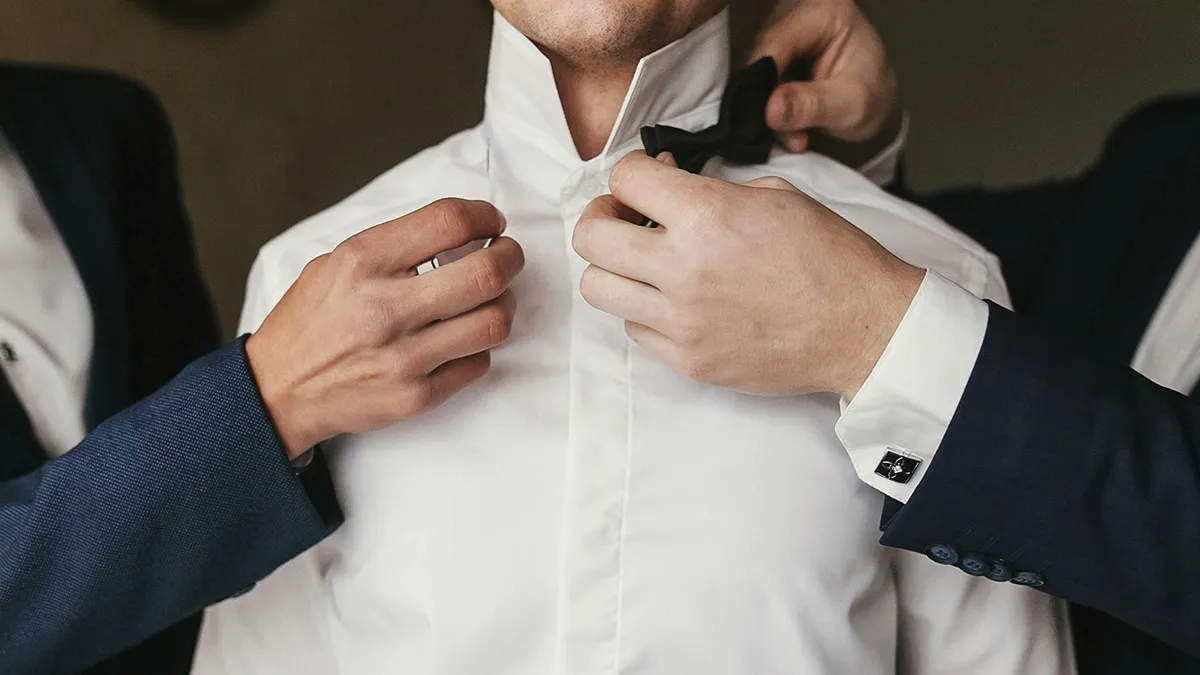
Shoes are part of the fit. Bring them or a pair with a similar heel height to the final fitting so trouser length can be assessed properly. Test the shirt with the collar button closed and any accessories you plan to wear. A great jacket can still feel wrong if the shirt is restrictive or the shoes change your posture. Do the shirt test too, try on a belt, try and bring your accessories to the fitting room.
Choose fabric for the day you are having
Fabric changes how a garment reads in photographs and how it feels over several hours. A highly structured wool suit, a lighter weave, velvet jacket, linen blend, or textured cloth can each create a different result. The right choice depends on formality, venue, time outdoors, and how the day will move from ceremony to dance floor.
For a Quebec wedding, talk through the real conditions rather than relying on a seasonal label. A summer outdoor ceremony may include travel in a warm vehicle and a cool indoor reception. A winter wedding may involve walks between buildings and a packed room later in the evening. The provider can explain what fabrics and construction will be suitable for the garment you are considering, but you should describe the day honestly.
Ask how the piece should be steamed, transported, and stored before the event. If it is rented, confirm the return process, what happens if something is damaged, and which accessories are included. If it is purchased, ask about future alterations and care. These small answers may decide which route feels less stressful. Ask if shoes are included in the rental. Most rentals will include the full look including the socks, which you get to keep following the wedding. The remaining items need to be returned to the rental shop for drycleaning. After the wedding just put everything back in the garment bag and double check that everything is in there before you return it.
Rent, buy, or go custom based on repeat wear and control
Renting may suit a one-time formal look, a large group that needs coordination, or a tight planning window. Buying can make sense when you expect to wear the garment again or want more freedom over fabric and alterations. Made-to-measure or bespoke work may be worth exploring when fit, specific design, or personal expression is central to the decision. None of these is automatically the “better” option.
Compare proposals at the same level of detail. For a rental, ask what is included, when fittings occur, what sizes or substitutions are possible, whether shoes and accessories are part of the package, and when the garment must be returned. For a purchase or custom order, ask about fabric, construction, fittings, alterations, delivery date, deposit, and what happens if the garment needs a change after it arrives. Get the date and terms in writing.
Avoid choosing a route solely because it sounds inexpensive or luxurious. A comfortable, well-fitted option that arrives on time and suits the day has more value than a dramatic choice that creates uncertainty.
Coordinate a wedding party without making everyone identical
Start with a few non-negotiables: formality, a base colour, and the level of coordination you want in photographs. Then decide which elements can vary. You might keep the same suit colour while allowing different shirt cuts; use matching boutonnieres with individual ties; or dress the couple in a distinct formality while the wedding party wears a coordinated suit.
Give everyone a written guide with the provider, required pieces, colour references, fitting deadline, payment responsibility, and any items they must bring. This is particularly helpful when people live outside Montréal or are travelling to the wedding. Ask the formalwear provider how group fittings and late measurements are handled before you promise a uniform look to others. Don’t assume that your groomsmen are prepared to pay for their suits or rentals. When you ask them to be part of your wedding party, it’s a good idea to let them know upfront how much they can expect to spend. That way, everyone knows what they’re committing to and there are no surprises later on.
If one of your groomsmen isn’t able to cover the cost of a suit or rental, try to be understanding. You can decide whether you’re comfortable covering the expense yourself or, if needed, look at another option. The most important thing is to have an open conversation about the costs from the beginning.
Leave the final fitting with a day-of plan
At the final appointment, wear or bring the shirt, shoes, belt or suspenders, tie or bow tie, and any jewellery or cufflinks planned for the wedding. Learn the order of dressing, check spare buttons or fasteners if applicable, and choose a clean place to hang or transport the outfit. Assign one person to check that the wedding party has its essential pieces before photographs begin.
The best wedding attire does not announce itself louder than the person in it. It supports the mood of the celebration, photographs well, and gives you confidence from the first greeting to the last song. Browse the formalwear profiles above and contact providers whose styles and fitting process fit your plans.